


Let's talk about algae.
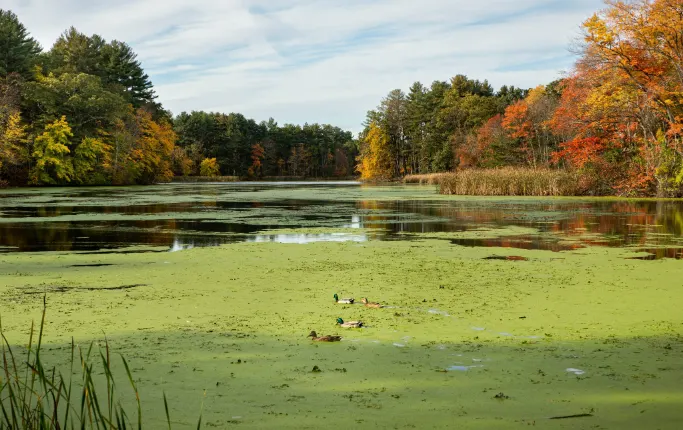
Algae and biofilm may start as a nuisance, but left untreated they put health, infrastructure and the environment at risk. Found in everything from lakes and dams to industrial tanks and treatment plants, they can quickly spiral out of control.
Algae problems rarely start with algae. They start with excess nutrients, low oxygen and still water.
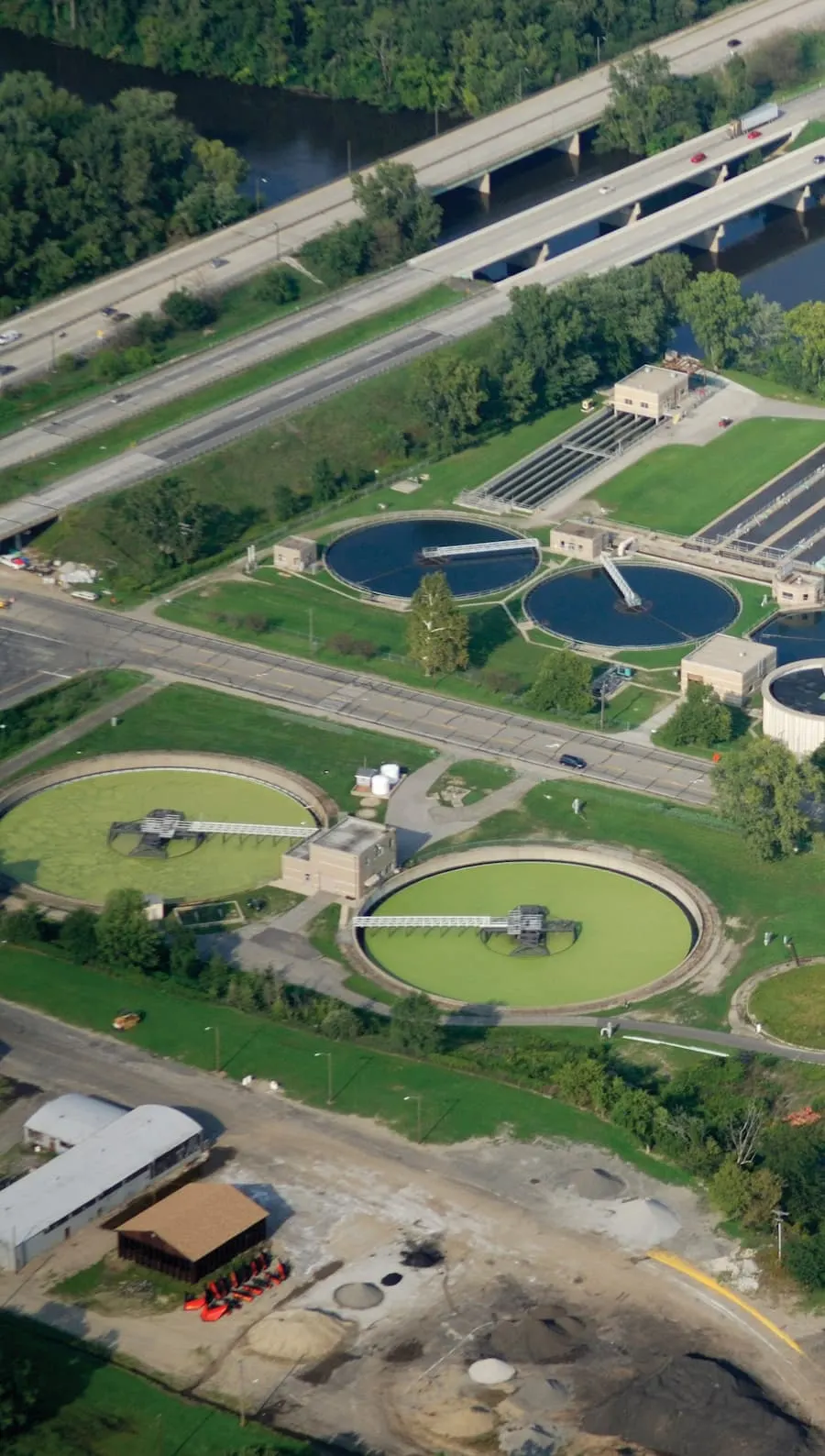
Estimated algae species
1 million+
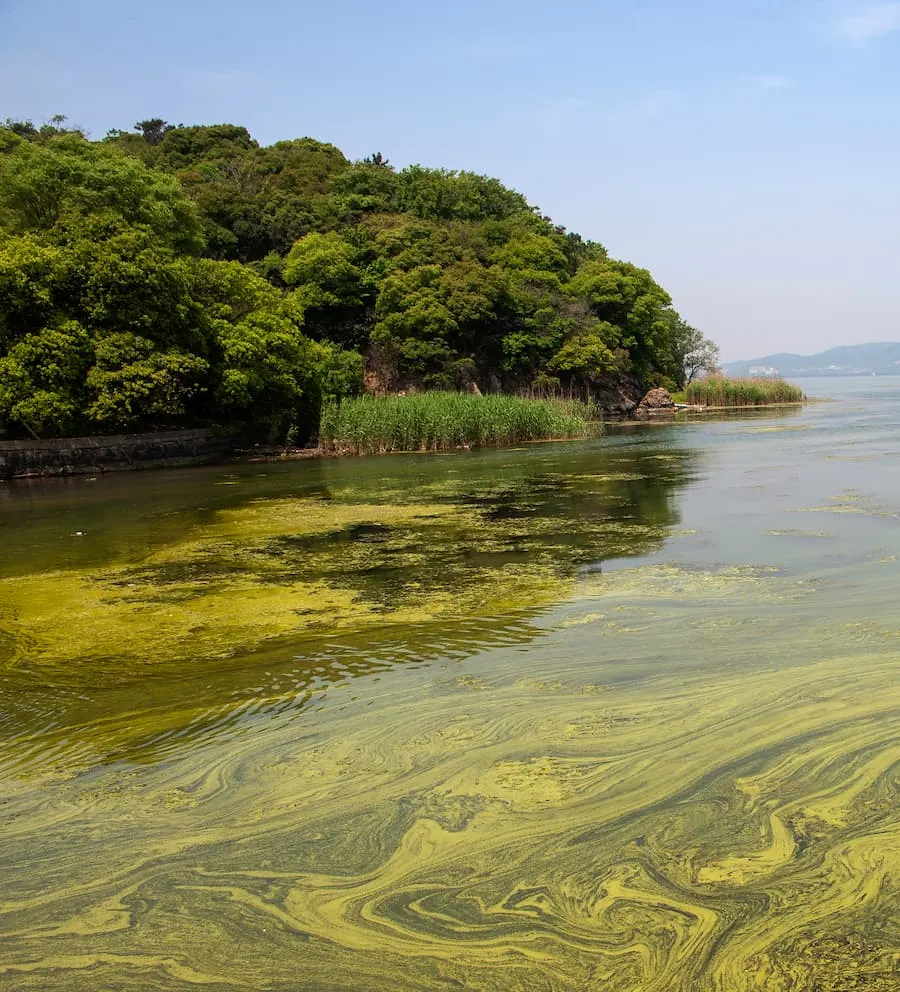
Water at risk
Biofilm clogs pipes, corrodes equipment and drives up operating costs
The risks of algae
What most people call pond scum or seaweed is algae: a highly adaptive organism that thrives in nutrient-rich water. It is common, persistent and hard to remove once established. Unchecked, it can lead to:
- Toxic water that threatens people, pets and livestock
- pH imbalances that complicate treatment
- Fish kills as oxygen runs out
- Safety issues for swimmers and boaters: entanglement and slippery surfaces
- Clogged propellers, pumps and filters
- Rising treatment costs to remove taste and odour
Biofilm: algae's bacterial sidekick
Biofilm is the slimy bacterial layer that clings to underwater surfaces: pipes, pumps, boats, tanks and infrastructure. It often grows alongside algae and brings its own problems:
- More maintenance and cleaning
- Disinfection by-products such as THMs and HAAs in treated water, and the compliance risk that comes with them
- Fouling by mussels, oysters and barnacles
- Lower heat exchange efficiency and higher operating costs
- Corrosion of boats and pipework, and fuel lost to hull drag
- Manganese precipitation that discolours water
An introduction to algae
More than an unsightly nuisance, harmful algal blooms cause costly maintenance and damage across ponds, lakes and lagoons, water treatment plants, swimming pools, industrial tanks and cooling towers. Algae are a diverse group of aquatic organisms, with up to a million estimated species in a vast range of shapes and sizes, from seaweed and pond scum to the blooms that blanket a lake.
Like land plants, algae use photosynthesis, needing only water, sunlight, carbon and nutrients such as nitrogen and phosphorus. When those nutrients are in excess, algae multiply out of balance.
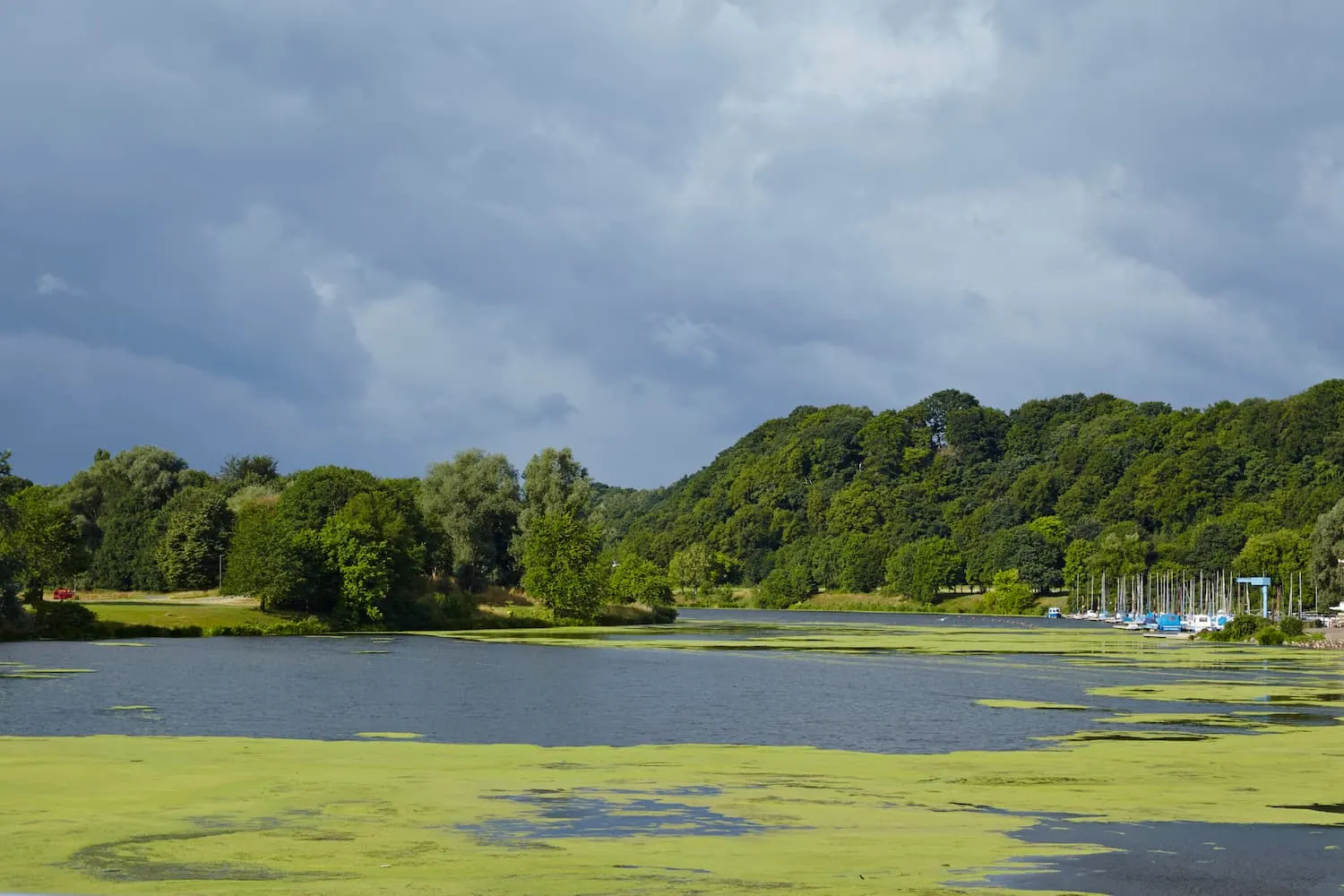
Harmful algal blooms
Blooms are usually driven by excess phosphates and nitrates, pollutants found in fertilisers and detergents. They reach water through:
- Runoff from lawns, parks and fairways
- Farm paddocks and stock yards
- Sewage and septic effluent
- Organic debris such as leaves and grass clippings
In hot weather, warm water and low oxygen let algae and bottom bacteria multiply fast, releasing even more nutrients from the sediment. Blue-green algae thrive in these conditions, using gas vesicles to move up and down to reach those nutrients.
Chemicals aren't the answer
Algaecides such as copper sulfate are common, but they are expensive, short-term fixes with real downsides:
- Classed as highly toxic by the US Environmental Protection Agency
- Kill beneficial bacteria and disrupt aquatic ecosystems
- Corrode metal infrastructure
- Leave sterile, lifeless sediment behind
Doing nothing isn't an option either. Unchecked algae can strip the oxygen from treatment lagoons, leading to more blooms and the release of cyanotoxins.

Ultrasound, instead of chemicals
Ultrasonic technology from our US partner SonicPure puts science to work on out-of-control algae and biofilm, returning water to its natural state without chemicals. Tuned sound waves disrupt algae cells so they lose buoyancy, sink and die, without harming other aquatic life.
The same waves create what the micro-organisms that make up biofilm perceive as turbulence, so they avoid settling on treated surfaces.
US Environmental Protection Agency
Waterbody management measures for cyanobacterial blooms
- Measure
- Physical control: ultrasound
- Description
- An ultrasound device controls harmful algal blooms by emitting ultrasonic waves of a particular frequency, so that the cell structure of cyanobacteria is destroyed by rupturing the internal gas vesicles they use for buoyancy control.
- Effectiveness
- Successfully implemented in ponds and other small water bodies. A single device can cover up to 8 acres (about 3.2 ha). Non-chemical; inexpensive.
- Limitations
- Also disrupts the cellular functioning of green algae. Effectiveness depends on water body geometry and cyanobacteria species. Further research is required.
Summarised from the EPA's Control measures for cyanobacterial HABs in surface water. Coverage varies by system: see each product for its rated range.
Go deeper
Algae and biofilm primer
What algae and biofilm are, why they take over and why they are so hard to shift
Read more →02Introduction to ultrasound
How ultrasonic algae control works, and what makes one system different from another
Read more →03Algae and biofilm challenges
What untreated algae and biofilm cost, why chemicals backfire, and a different approach
Read more →04Multi-stage remediation
Disrupt, circulate, rebalance and monitor: why we combine approaches
Read more →Straight answers to the questions we are asked most
- The algae control guideTypes of algae, why blooms happen, and chemicals, aeration and ultrasound compared
- Blue-green algae in a farm dam: what to doWhy it keeps coming back, what is safe for stock, and how to stop it without chemicals
- Algae in a golf course irrigation lakeBlocked sprinklers, pH drift, members' complaints, and the chemical-free fix
- Algae alert levels: green, amber and red, and what to do at eachHow councils and water authorities grade blue-green algae, and how to respond early
- How to clear a dam or pond without chemicalsThe four approaches, in the order that works, and which to use where
The problems we help solve
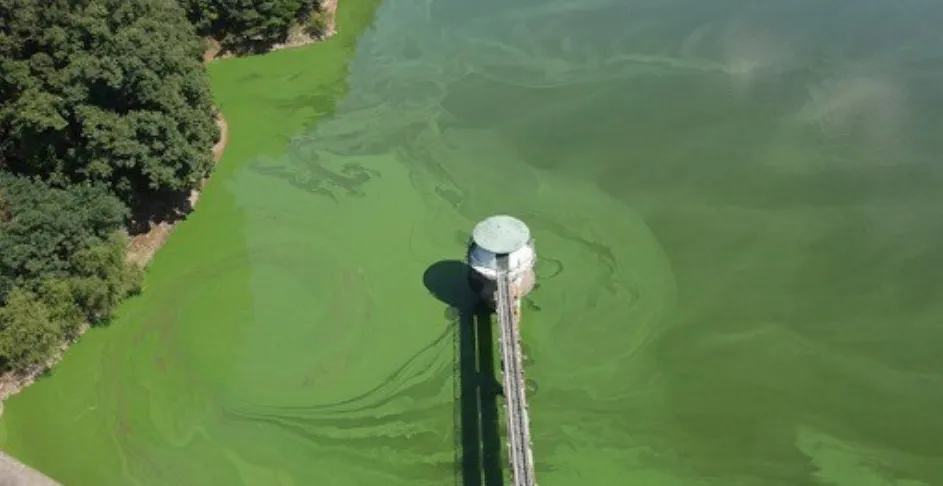 01
Blue-green algae and toxins
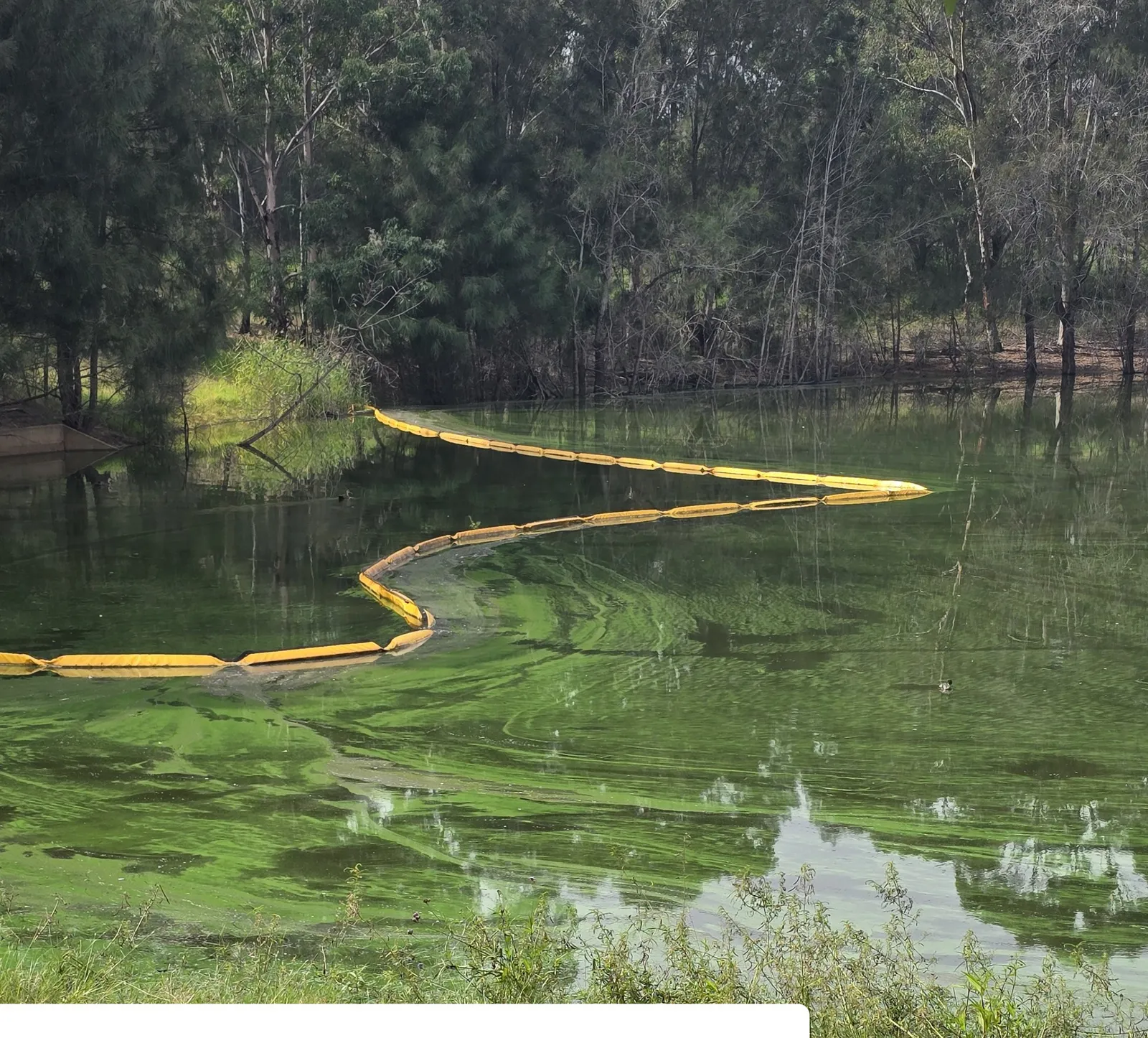
Blue-green algae (cyanobacteria) can form surface scums and produce toxins harmful to people, pets, livestock and wildlife. A bloom can close a water body, stop irrigation and put stock at risk.
 02
Excess nutrients
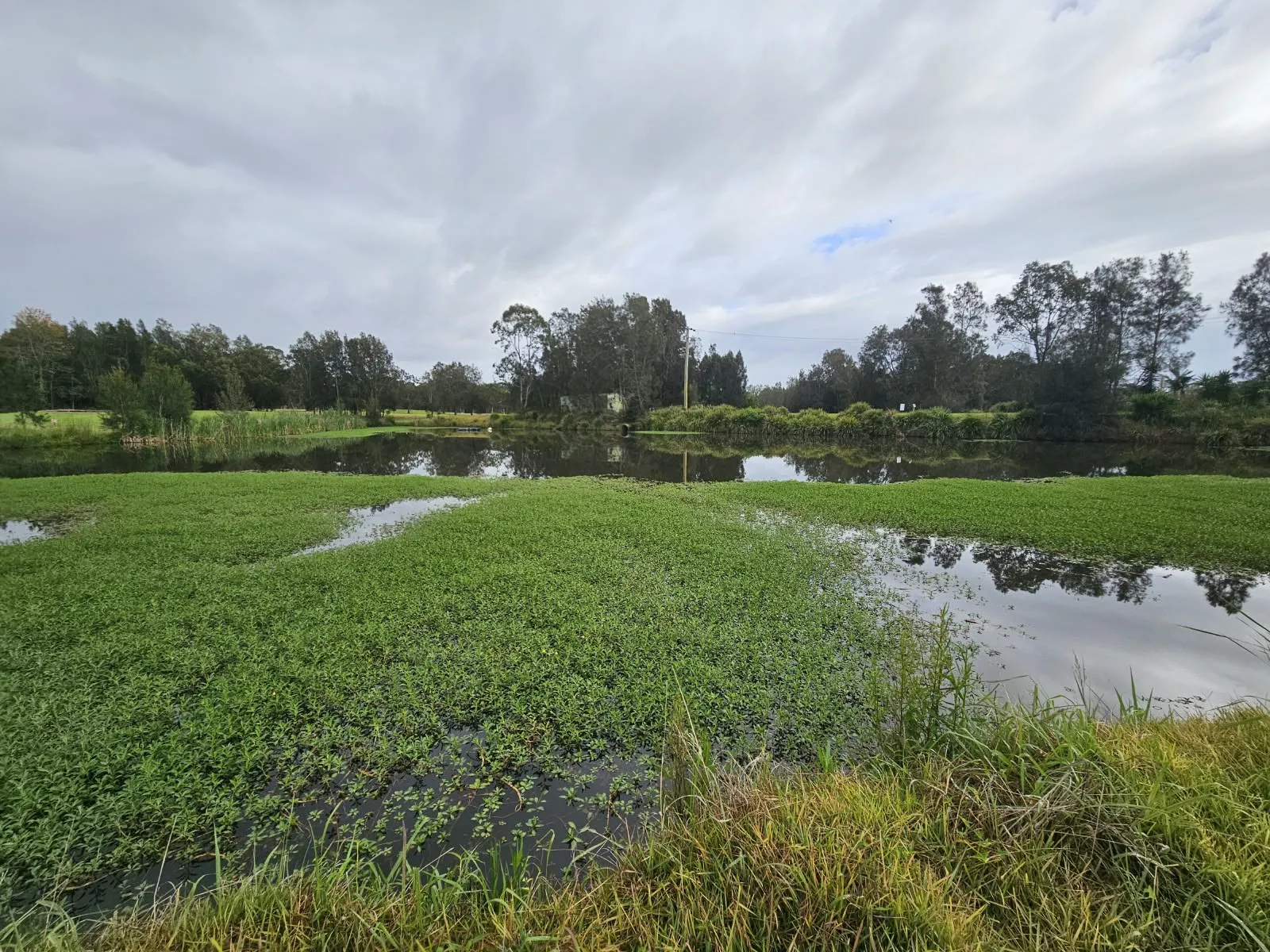
Runoff, fertiliser, effluent and organic matter load water with nitrogen and phosphorus. This feeds algae and weed growth and builds up in sediment over time.
 03
Low dissolved oxygen
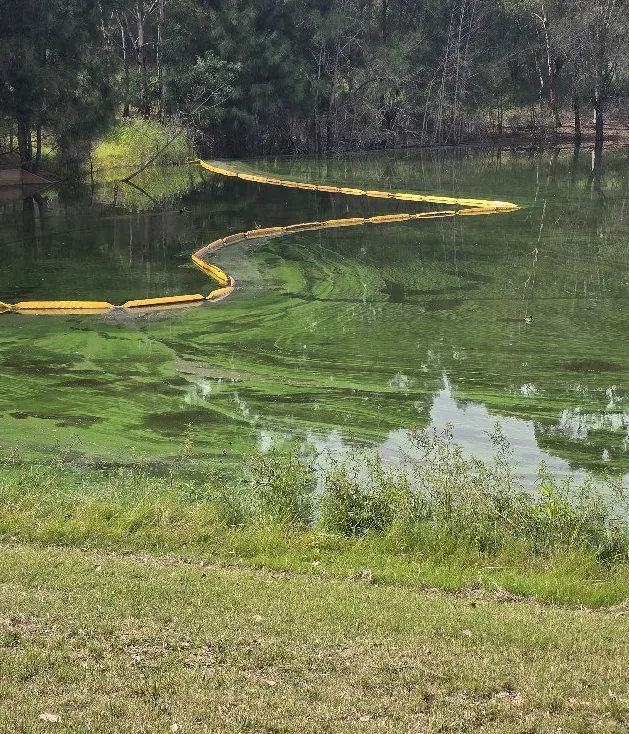
Still or stratified water and decaying algae use up oxygen. Low DO stresses fish and stock, releases nutrients from sediment and leads to odour.
 04
Odour and appearance
Green or brown water, scum and foul smells lead to complaints from members, residents and visitors, and reflect poorly on a site.
 05
Biofilm and fouling
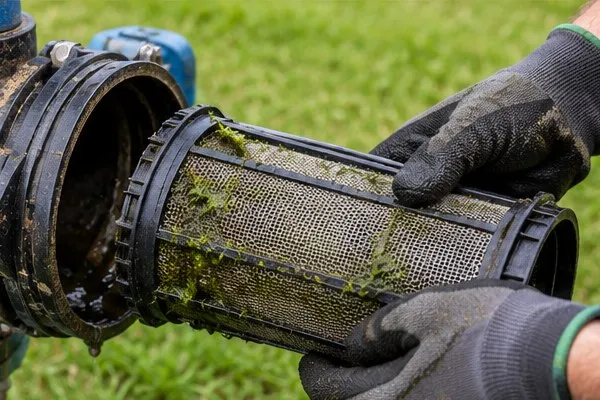
Algae and biofilm clog pumps, filters, sprinklers and pipework, adding cleaning time, downtime and equipment wear.
 06
The limits of chemical dosing
Algaecides kill algae on contact and leave behind the nutrients that feed the next bloom. Dying algae can release toxins, and decay lowers oxygen.
How councils and water authorities manage blue-green algae
Green alert
Low cyanobacteria levels detected. Routine monitoring continues.
Amber alert
Levels are rising. Monitoring increases and warnings may be issued.
Red alert
High levels or visible scum. Water is unsafe for contact and sites are often closed.
Application areas
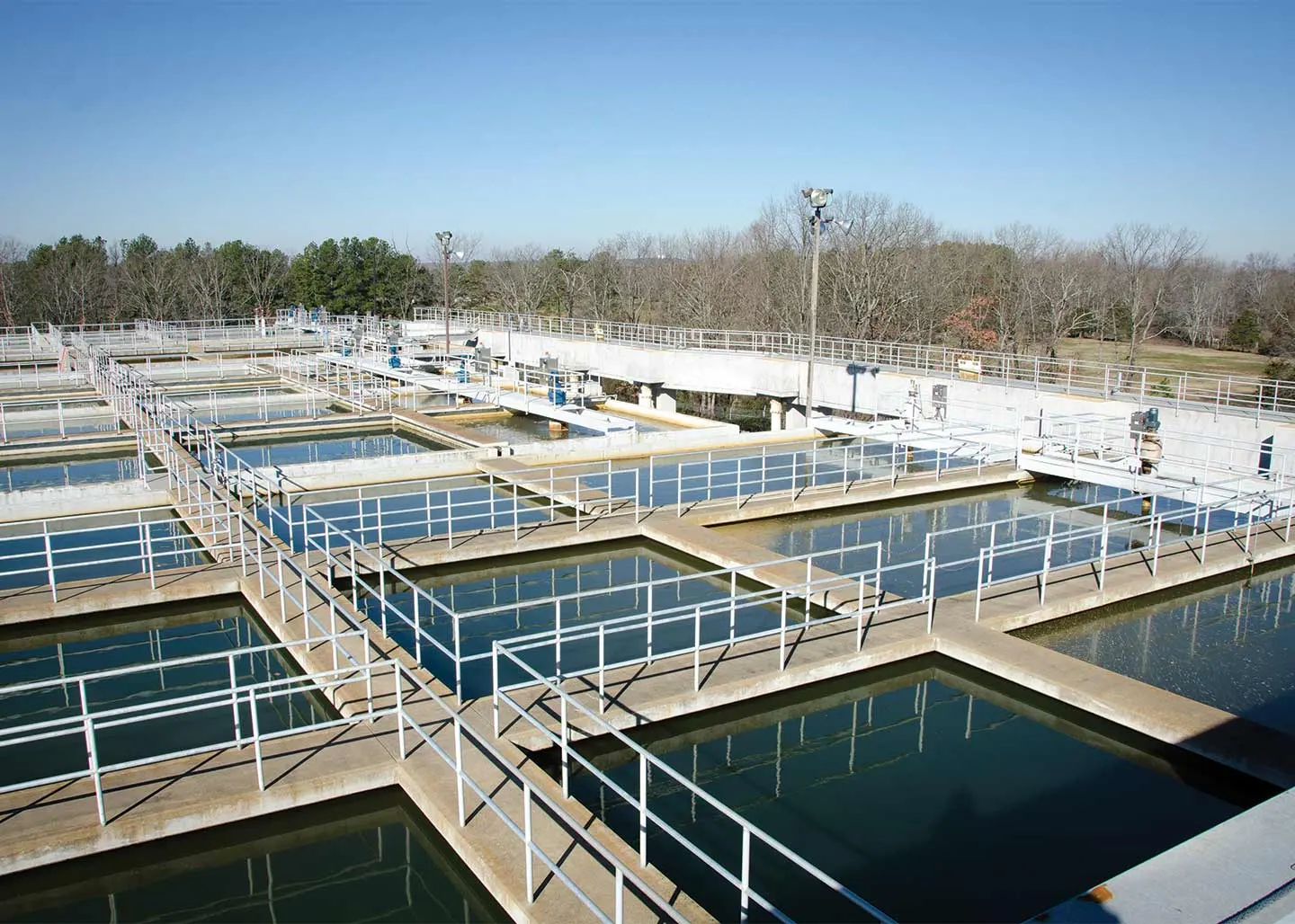
Drinking water
Better taste and odour by reducing and preventing algal blooms, without the cost and hazards of chemicals.
Read more →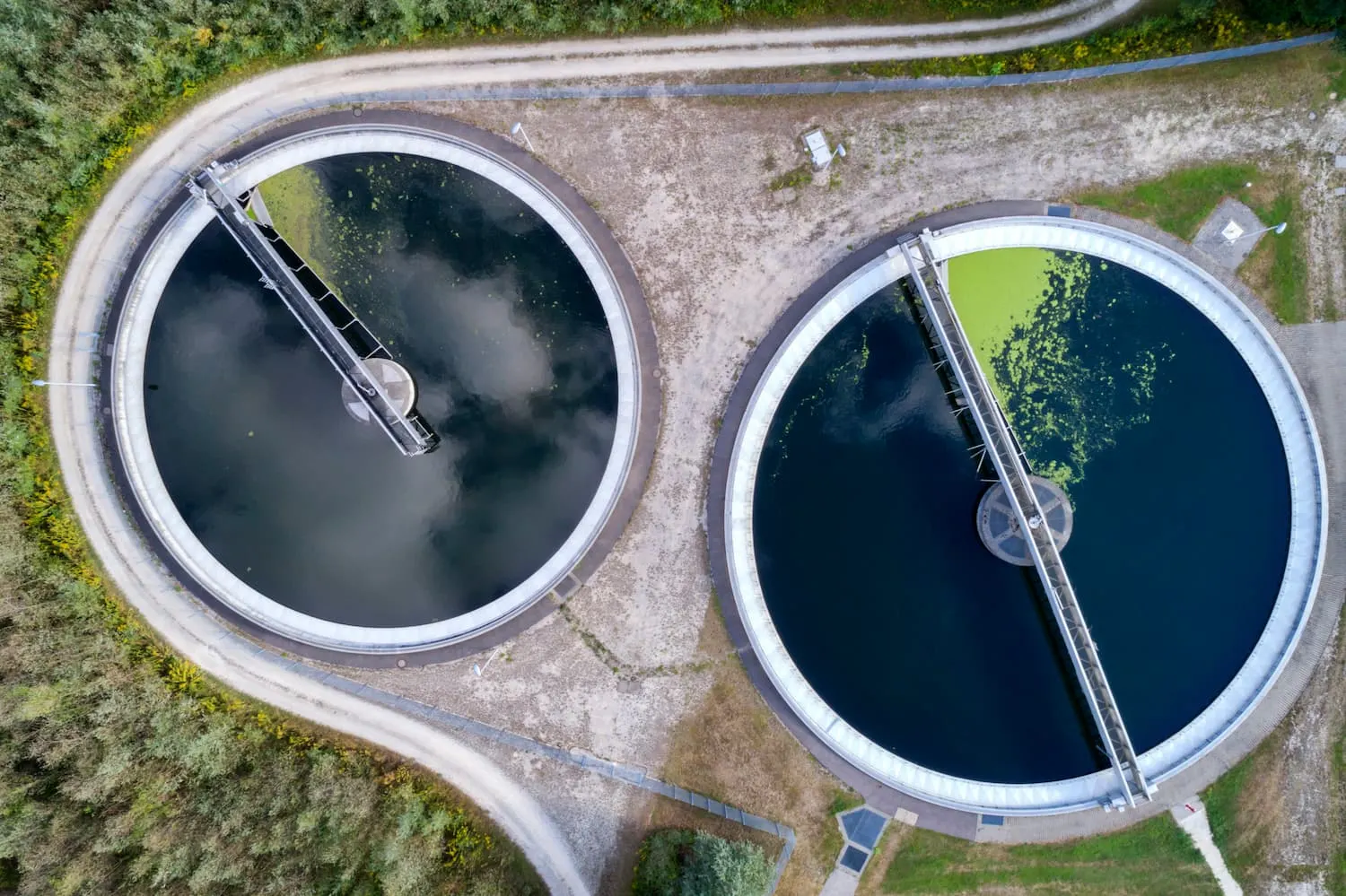
Wastewater treatment
Less of the algae that lift pH, cause discharge issues and push licence limits.
Read more →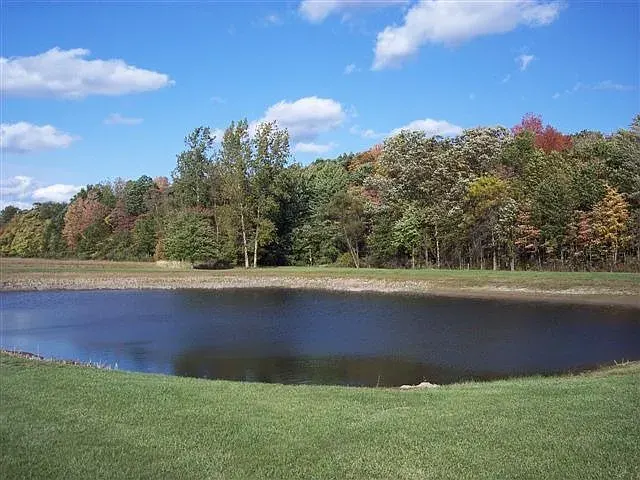
Golf courses
Clear, clean water features and irrigation lakes, with no chemicals to store or handle.
Read more →
Lakes and ponds
Control of unsightly, odorous algae in natural and ornamental ponds, parks and public settings.
Read more →We're here to help
Algae won't solve itself, but we can. Look through our case studies and resources to see results in action, or talk to us about your water.