


Algae and biofilm challenges
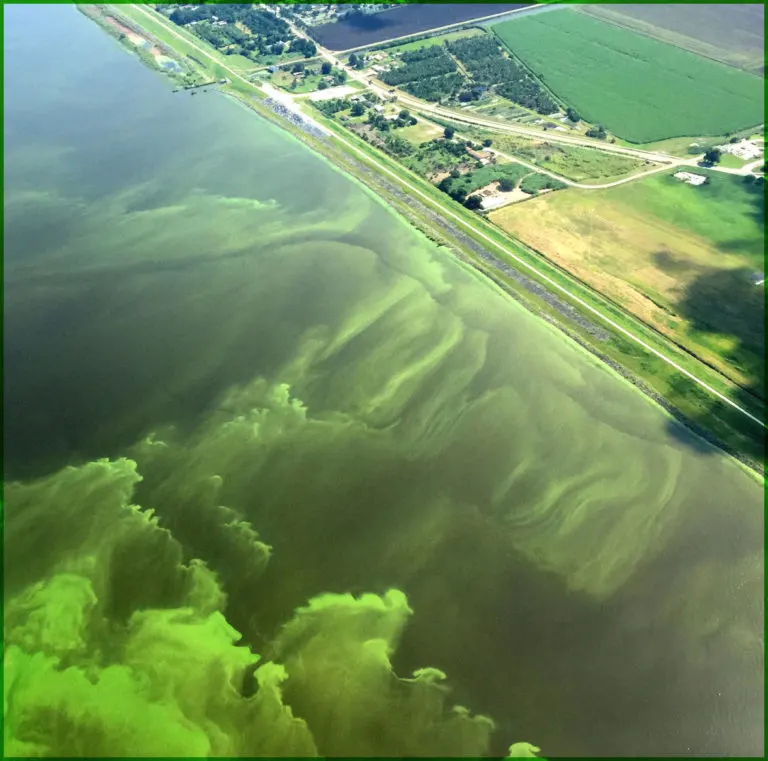
What untreated algae puts at risk
Often called pond scum or seaweed, algae is neither, but that does not make it less of a problem. Wherever there is open water you will meet it: lakes, dams, ponds, treatment plants, swimming pools, industrial tanks, cooling towers and lagoons.
- Toxic recreational water for people, pets and other animals
- Toxic farm dam water for livestock
- pH imbalance from the heavy treatment needed to hold algae back
- Fish kills when algae die off in hatcheries, lakes and private ponds
- Boat propeller entanglement and swimming safety concerns
- Higher treatment costs for clarification, filtration, taste and odour. Some algae produce geosmin and methylisoborneol (MIB), which smell earthy or musty; MIB can be detected at five parts per trillion
- Lower property values, and losses for tourism and local business
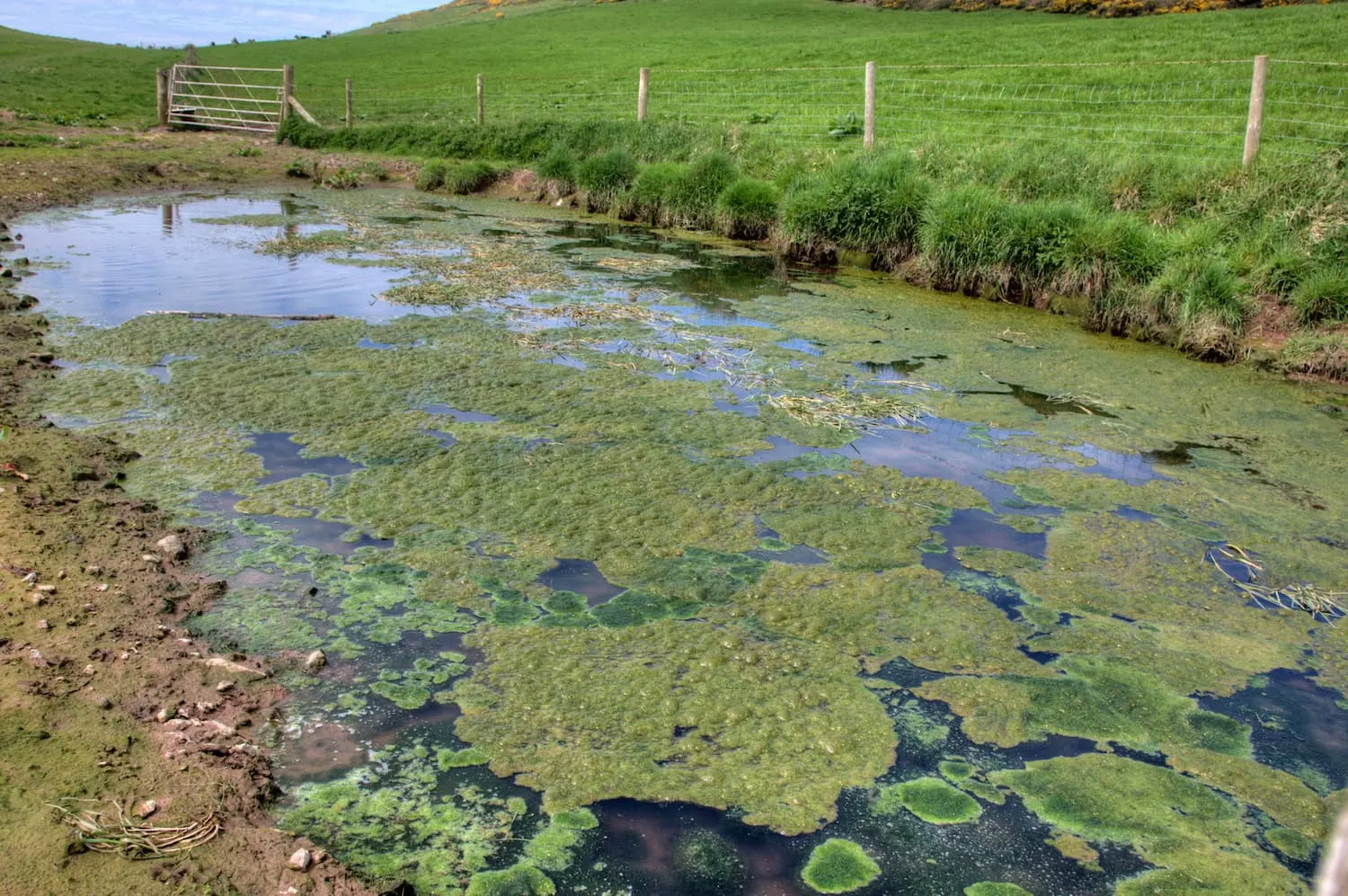
And then there's biofilm
Algae is often accompanied by biofilm, the slimy growth of bacteria that clings to solid surfaces in water. It brings its own costs:
- More maintenance and cleaning
- Disinfection by-products such as trihalomethanes (THMs) and haloacetic acids (HAAs) in treated water, which can mean compliance breaches
- Barnacles, mussels and oysters that foul pumping operations
- Heat exchanger fouling and lost cooling efficiency
- Hull fouling that adds drag and fuel costs, and under-deposit corrosion in pipes
- Manganese precipitation that discolours water
What causes harmful algal blooms
Algae feed on phosphates and nitrates, common pollutants in detergents, fertilisers and effluent. They arrive with sewage and septic effluent, runoff from fertilised land, leaves and grass clippings, and farm runoff.
The worst blooms come in the warmest months, when heat warms a water body top to bottom and wakes the bacteria in the bottom sludge. As they consume the organic matter, they release the phosphates stored there.
Blue-green algae are built for that heat. Gas vesicles let them control their buoyancy, so they can sink to feed on the phosphates being released from the bottom and rise again to the light.
Treating algae with chemicals can backfire
People have tried to control algal blooms for centuries, with methods that have had limited success or harmful side effects. Chemicals can remove algae, but they are expensive and carry risks for people and ecosystems. Copper sulfate, the most common, is classed as highly toxic by the US Environmental Protection Agency. It can leave a sterile bottom that kills the beneficial bacteria fish and other aquatic life depend on, and it corrodes steel, iron and galvanised pipe.
Algaecides kill algae on contact, leaving behind the nutrients that feed the next bloom. Dying algae can release toxins and nutrients, and decay lowers oxygen. Dosing repeats each time a bloom returns, with chemical storage, handling and records every time.
Leaving algae alone is no answer either. In treatment lagoons, unchecked algae can starve the system of oxygen, and with warm water and nutrients the oxygen drop stresses aquatic life and feeds even more algae and cyanotoxins.
What blooms cost a community
- Airborne material: blooms can release particles that are carried long distances and breathed in
- Ecological imbalance: excess nitrogen and phosphorus grow algae faster than the ecosystem can handle, and low oxygen harms or kills fish
- Closures: lakes and swimming spots closed to swimmers, boaters and anglers, and lost visitor income
- A beautiful water body turned to green, smelly muck, and nearby properties that become harder to sell
- Golf courses: a poorer experience for members and a health and safety risk for crews handling algae and the chemicals used on it
- Biofouling that can harbour pathogens and spread invasive species when boats and ballast water move between water bodies
Public confidence
Councils and water authorities know how closely their communities watch water quality. An off taste or odour quickly brings questions about whether the water is safe, and many of the chemicals used against algae carry the same stigma. A treatment that adds nothing to the water is easier to explain.
The Algae Control Australia approach
Ultrasonic, biological and oxygenation treatment targets the conditions algae need to grow. It is chemical-free and environmentally safe for fish, plants and wildlife, continuous and automated, with no chemicals to store or handle. Products such as OXYWave also vastly increase oxygen levels.
What it costs a site
- Members, residents and visitors complain about green water, scum and smell
- Pumps, filters, sprinklers and pipework clog, adding cleaning time and downtime
- Treatment costs rise and discharge limits are breached
- Stock, fish and crops are put at risk by toxins

More from Algae 101
- Algae and biofilm primerWhat algae and biofilm are, why they take over and why they are so hard to shift
- Introduction to ultrasoundHow ultrasonic algae control works, and what makes one system different from another
- Multi-stage remediationDisrupt, circulate, rebalance and monitor: why we combine approaches
Guides
- Blue-green algae in a farm dam: what to do
- Algae in a golf course irrigation lake
- Algae alert levels: green, amber and red, and what to do at each
- How to clear a dam or pond without chemicals
- The algae control guideChemicals, aeration and ultrasound compared
Compare the ultrasonic systems
Frequency density, coverage, cavitation and monitoring, side by side.
Download the comparison guide →We're here to help
Algae won't solve itself, but we can. Look through our case studies and resources to see results in action, or talk to us about your water.