

Drinking water
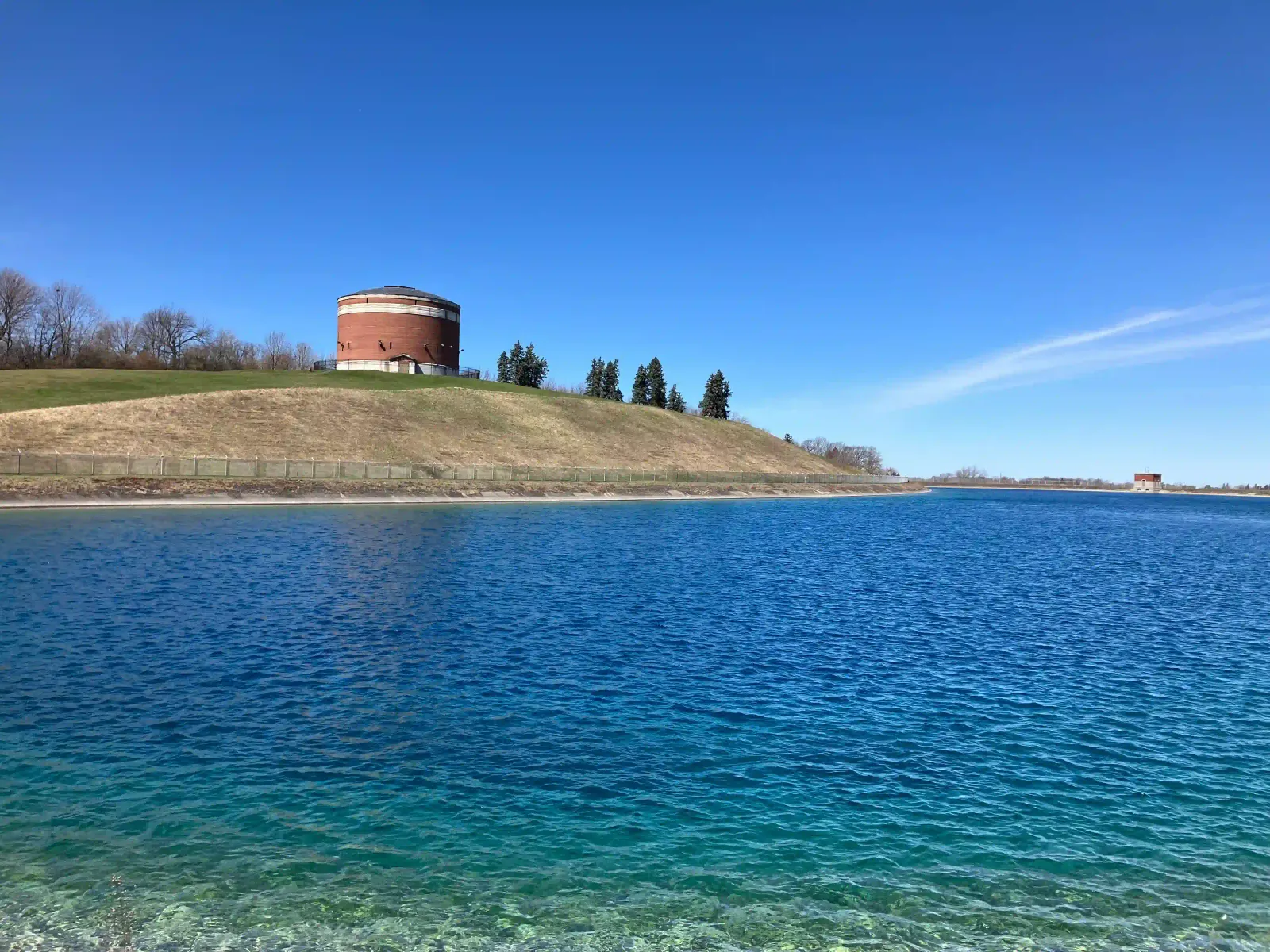
Safe water starts with algae control
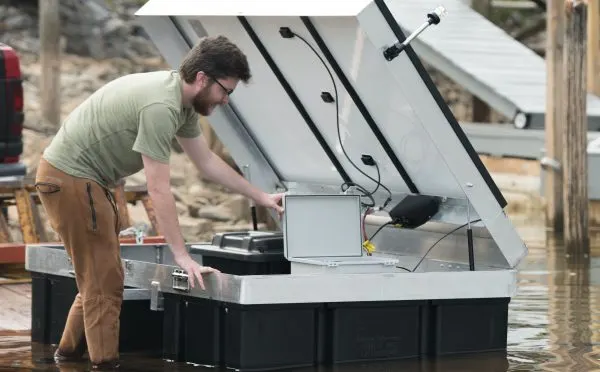
Ultrasound is proven to be very effective against algae. Ultrasonic waves damage green and blue-green algae, causing them to sink and die. We can test your water to confirm the species present and that ultrasound will work on them.
Ultrasound adds nothing to the water, so there is no treatment chemical to dose, store or account for downstream.
Systems are reliable and need little manual intervention. Onboard telemetry uploads system and water sensor readings, such as dissolved oxygen, to the cloud so you can see both at any time.
Live chlorophyll-a and phycocyanin readings let you track blue-green algae alert levels alongside your laboratory regime.
Nutrient pollution threatens drinking water
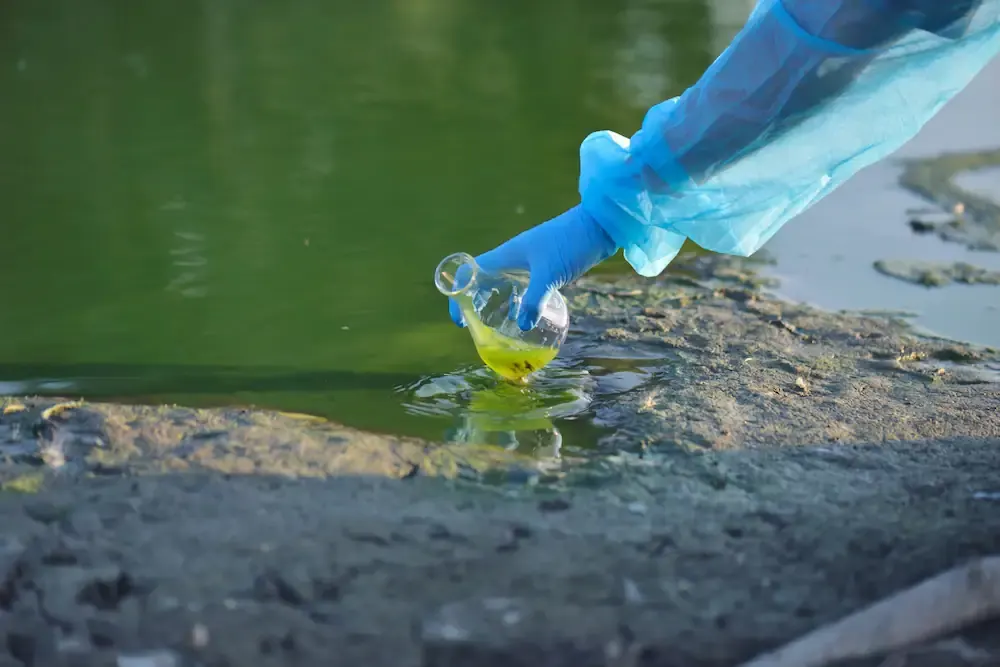
Excess nitrogen and phosphorus from farm runoff, wastewater, fertiliser and industry drive rapid algae growth in storages. The resulting blue-green algae blooms degrade water quality, raise health risks and can force supply changes. They also clog intakes, foul filters and cause taste and odour problems that are expensive to treat. The longer a problem runs, the costlier it is to reverse.
Time and budget constraints
Operators work with limited time and tight budgets, ageing infrastructure and growing demand, with little room to trial new technology.
Rising temperatures
Algae are appearing where they didn't before. Warmer water and abundant nutrients turn once-clear storages into places blooms thrive.
Public expectations
Communities are well informed about water quality and quick to notice taste and odour, even when there is no health threat.

Old methods fall short
Operators have long relied on filtration, algaecides and aeration to keep storages clear. Chemicals kill algae quickly but have side effects for the environment, and dying cells can release toxins and the nutrients that feed the next bloom.
How we tackle it
Blue-green algae at a reservoir intake raises treatment costs, adds taste and odour, and can breach guidelines.
Ultrasonic treatment at the intake and across the storage, with alert-level monitoring alongside your laboratory regime. SeDox Max is NSF/ANSI 60 listed for drinking water.
What it means for you
- Fewer treatment chemicals and lower coagulant use
- Alert levels tracked and acted on early
- Real-time data for the utility
What we typically recommend
Disrupt
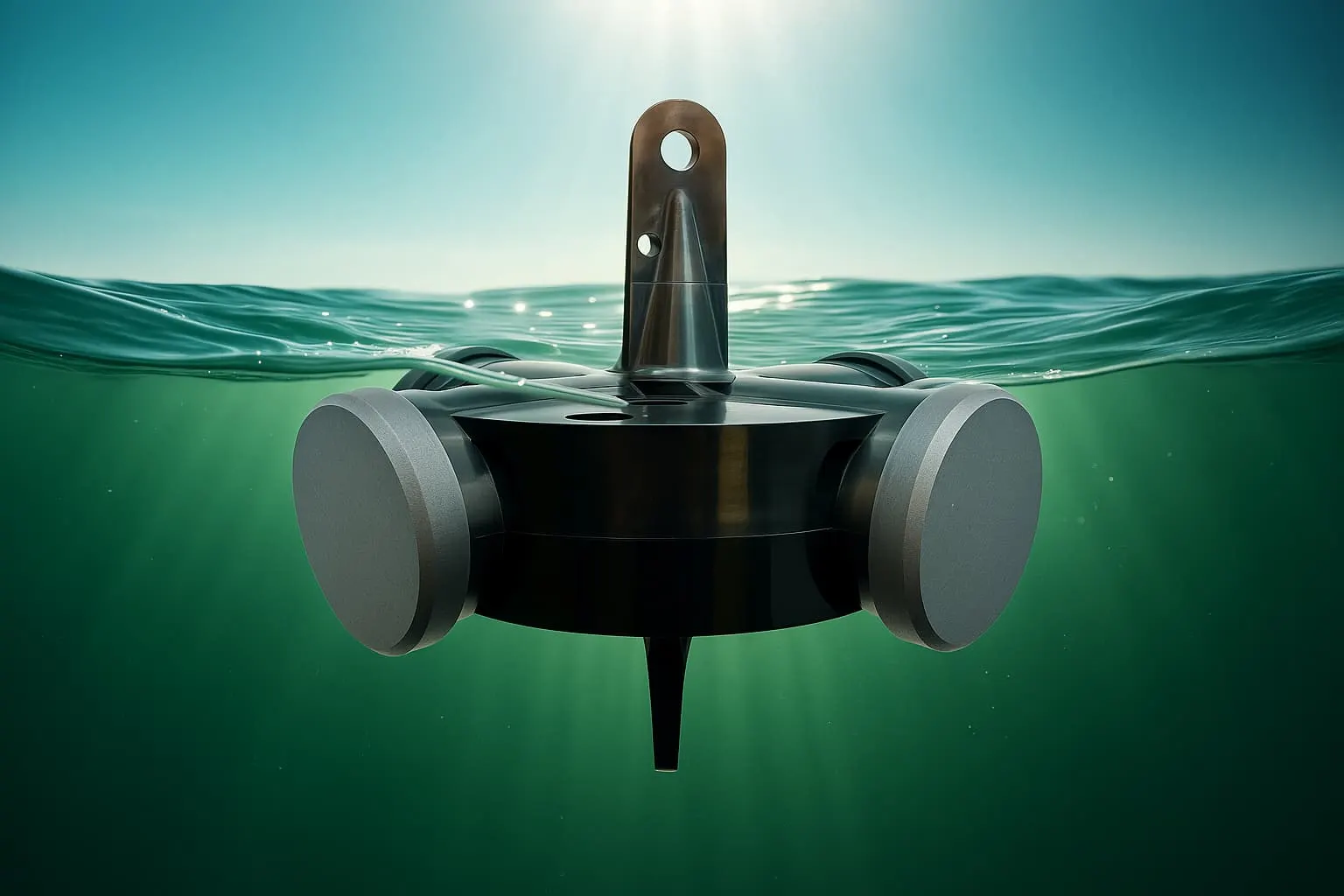
SonicPure Pulsar 4400
4,400 frequencies, 360° coverage, 24/7, without chemicals.
Explore →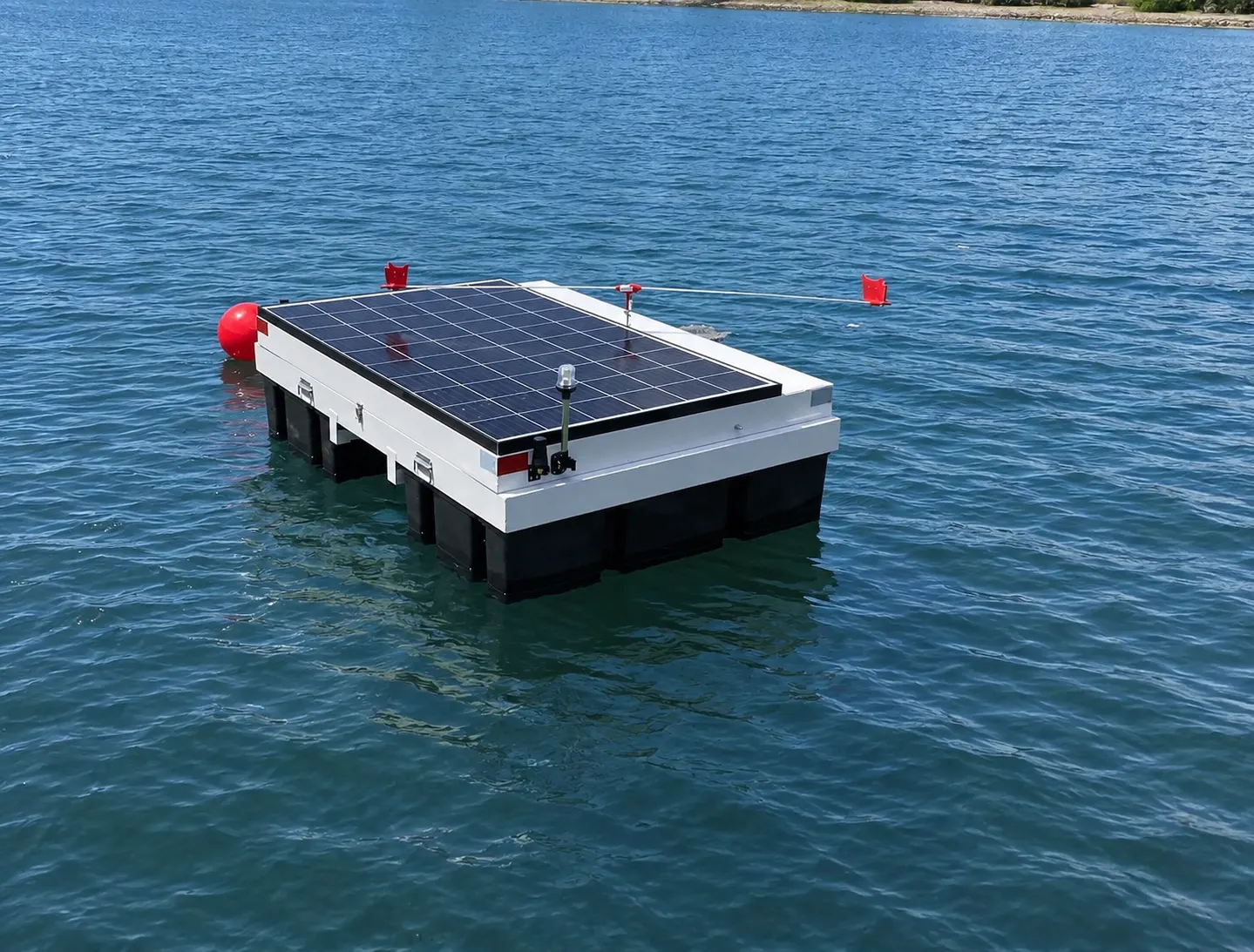
Disrupt
SonicPure Sentinel AIQ and AIQ+
Autonomous, continuous algae control on large or remote water bodies.
Explore →Rebalance
SeDox Max
Locks reactive phosphorus as stable minerals, supporting oxygen and pH.
Explore →Results from our US partner's sites
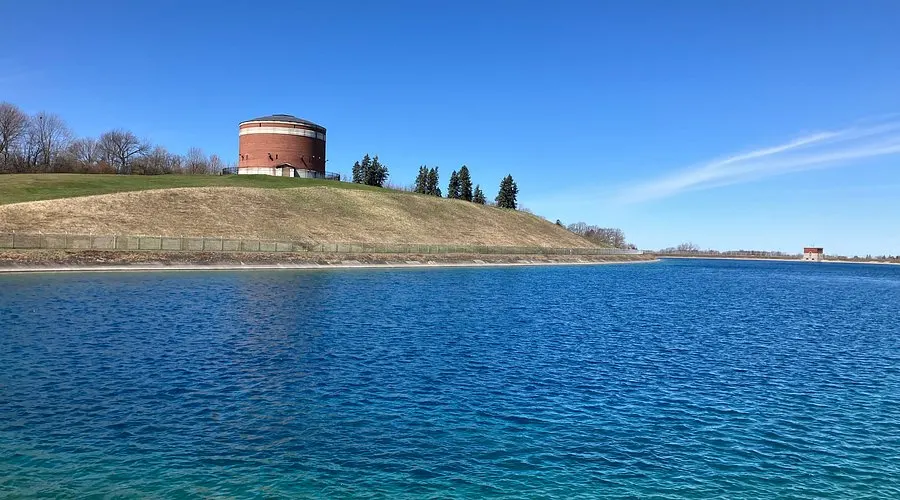
Woodland Reservoir
Woodland Reservoir Ends Copper Use with ROI in Under 2 Years
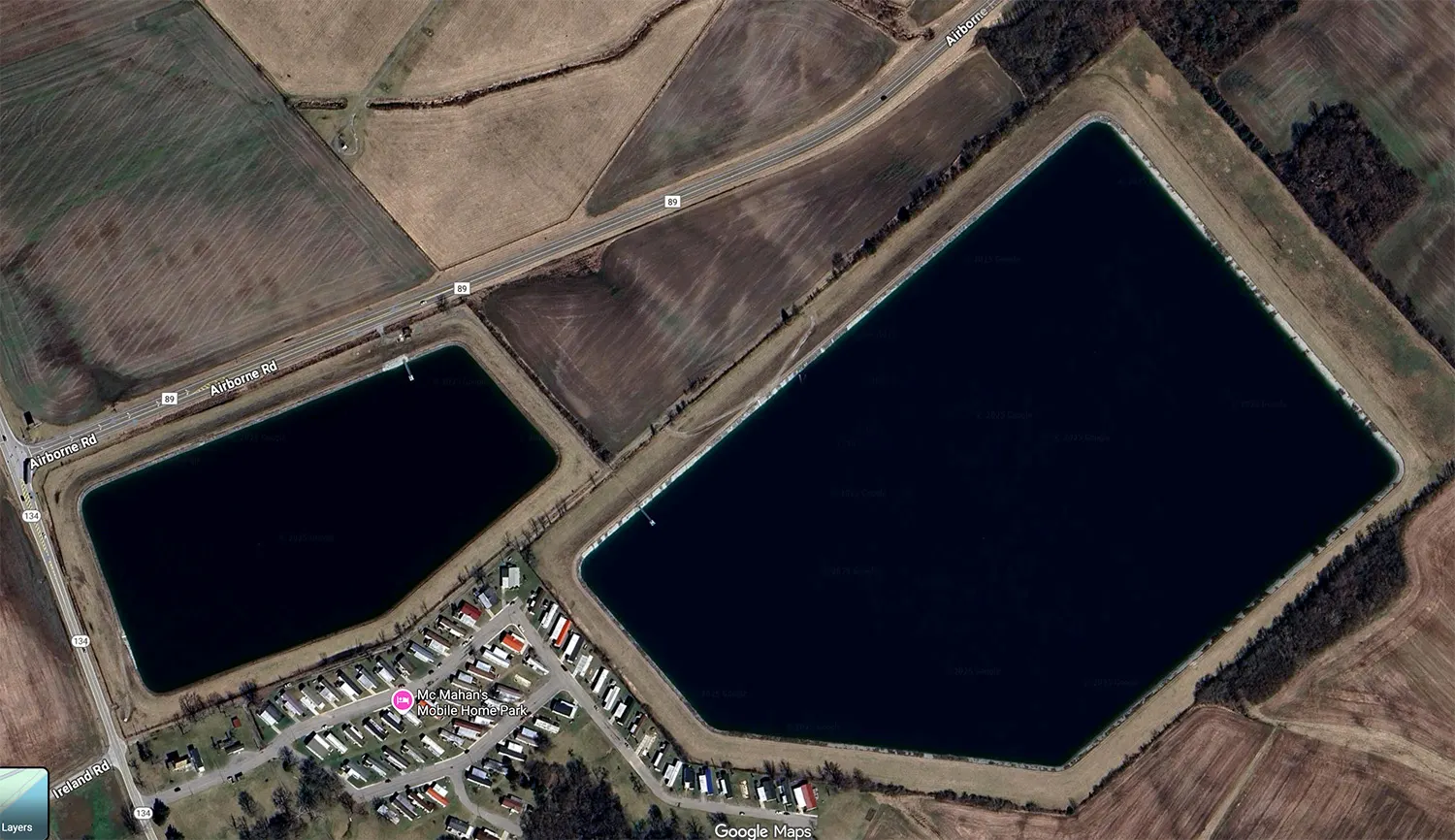
Ohio Water Reservoir
SonicPure cut toxins sevenfold and reduced chemical use

City of Union Potable Water Treatment
SonicPure keeps Union’s drinking water clean, clear, and compliant

We're here to help
Algae won't solve itself. Tell us about your site and we will recommend the right approach, then install, commission and support it.