


Algae and biofilm primer
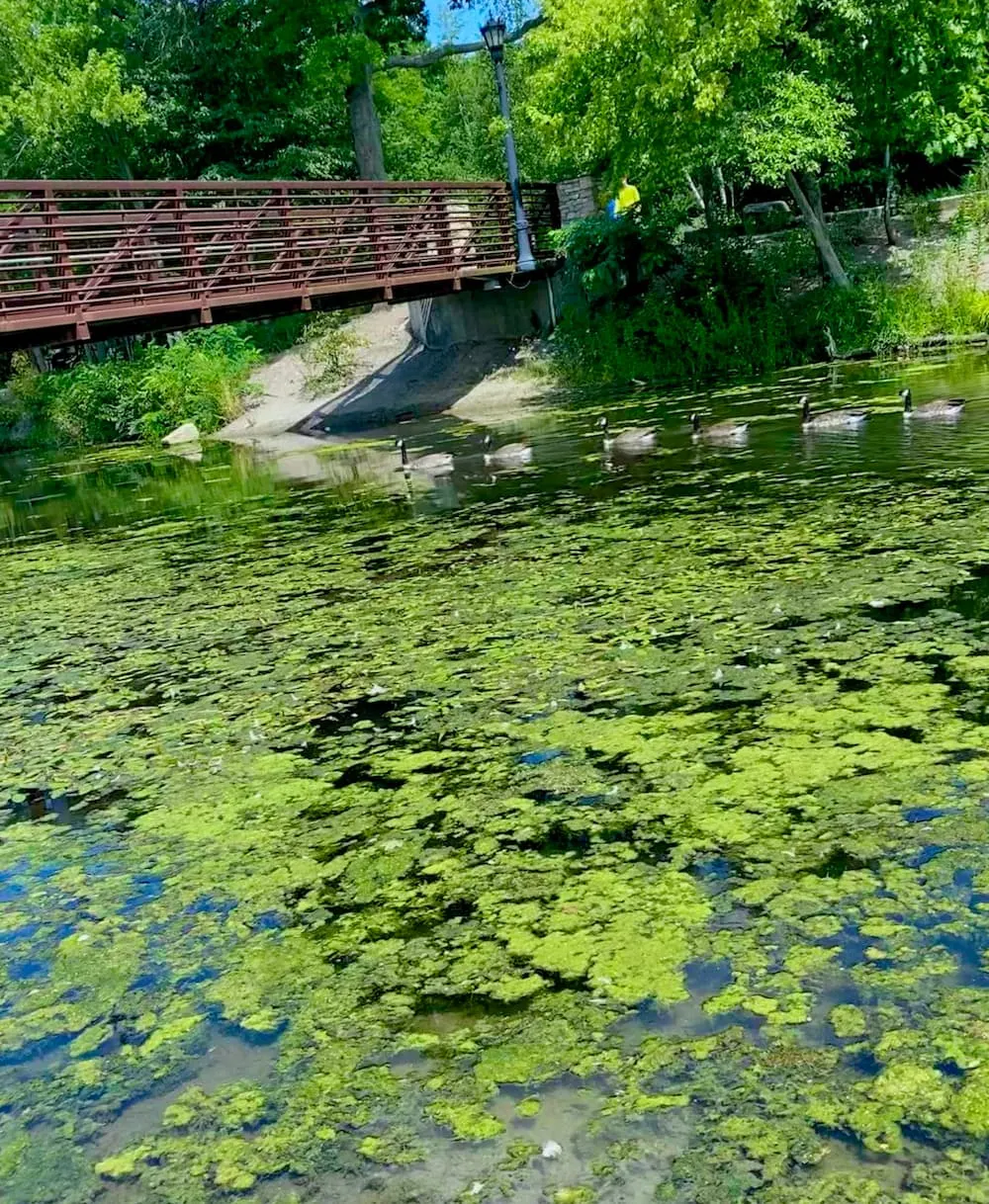
Tough. Tenacious. Toxic.
That slimy green film on lakes, dams, ponds and pools is more than pond scum. Algae and biofilm are complex, stubborn organisms that cause real trouble for water systems and the people who depend on them.
They cloud clear water, spoil views, create foul odours and leave slippery build-up behind. To control them, it helps to understand what is going on beneath the surface.
What algae are
Algae are microscopic aquatic organisms that make energy through photosynthesis. Scientifically they are photosynthetic and nucleus-bearing, but unlike true plants they have no roots, stems or leaves. They need water, sunlight, carbon and nutrients, mainly nitrogen and phosphorus.
In a balanced ecosystem algae are part of the food web. Fed by runoff, fertiliser, effluent and organic matter, they bloom, and whatever form they take they share one trait: they are persistent, fast-growing and hard to get rid of.
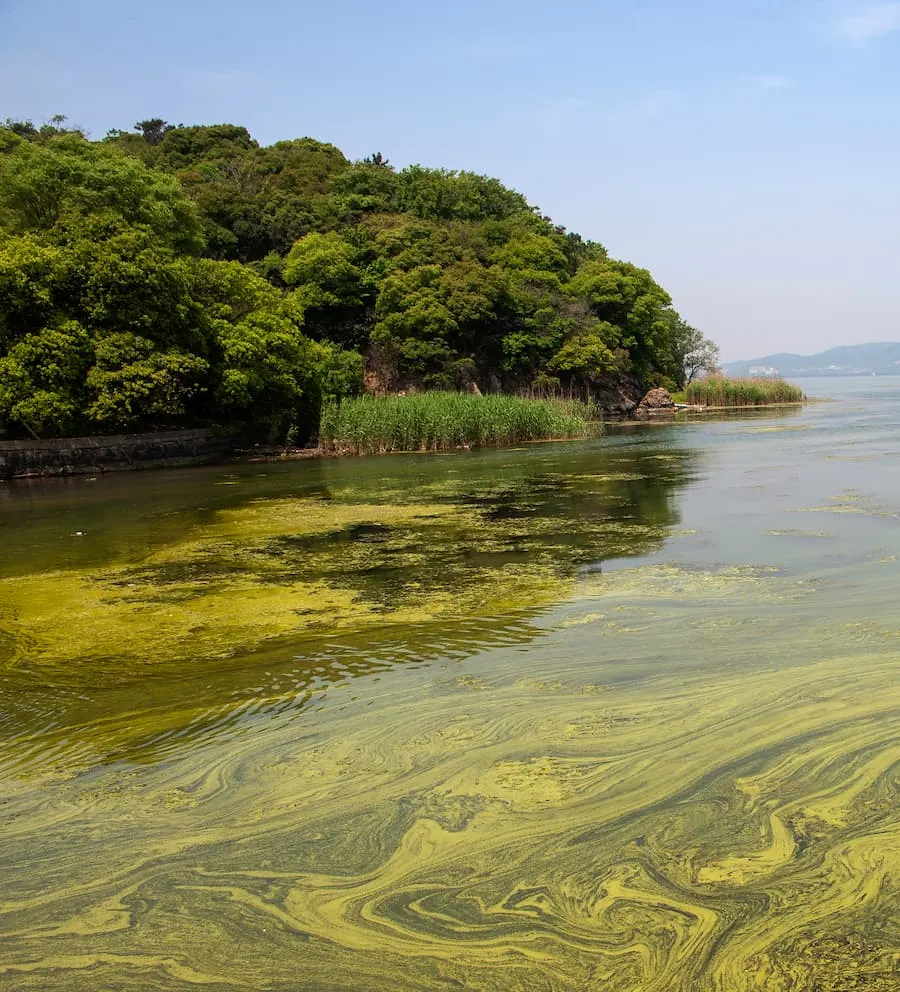
Blue-green algae
Blue-green algae are cyanobacteria. They can form surface scums and produce toxins harmful to people, pets, livestock and wildlife. Councils and water authorities manage them by alert level: green, amber and red. A red alert closes water to contact.
What biofilm is
Biofilm is a sticky layer of microorganisms, mostly bacteria, that forms on surfaces in contact with water: rocks, pipework, heat exchangers, boat hulls, jetties and treatment equipment. If you have ever slipped on a slime-coated rock, you have met biofilm.
These dense bacterial colonies clog pipes, degrade water quality and create foul tastes and odours. Worse, they give algae and fouling organisms the perfect place to settle and spread.

What biofilm costs
- More maintenance and cleaning, and heat exchangers that lose cooling efficiency and push up operating costs
- A foothold for fouling organisms such as barnacles, mussels and oysters
- Unwanted by-products, from manganese precipitation to harmful disinfection by-products in treated water
Why still water is the problem
Still or stratified water and decaying algae use up oxygen. Low dissolved oxygen stresses fish and stock, releases nutrients from sediment and leads to odour, which feeds the next bloom. Circulation and oxygen break that cycle.
Controlling them without chemicals
Ultrasound controls algae and biofilm without adding anything to the water. Tuned sound waves disrupt algae cells so they lose buoyancy, sink below the light and die back, and the same waves stop biofilm attaching to surfaces and spreading. Combined with circulation and nutrient treatment, the result is a water body returning to its natural balance.
More from Algae 101
- Introduction to ultrasoundHow ultrasonic algae control works, and what makes one system different from another
- Algae and biofilm challengesWhat untreated algae and biofilm cost, why chemicals backfire, and a different approach
- Multi-stage remediationDisrupt, circulate, rebalance and monitor: why we combine approaches
Guides
- Blue-green algae in a farm dam: what to do
- Algae in a golf course irrigation lake
- Algae alert levels: green, amber and red, and what to do at each
- How to clear a dam or pond without chemicals
- The algae control guideChemicals, aeration and ultrasound compared
Compare the ultrasonic systems
Frequency density, coverage, cavitation and monitoring, side by side.
Download the comparison guide →We're here to help
Algae won't solve itself, but we can. Look through our case studies and resources to see results in action, or talk to us about your water.