

Wastewater treatment
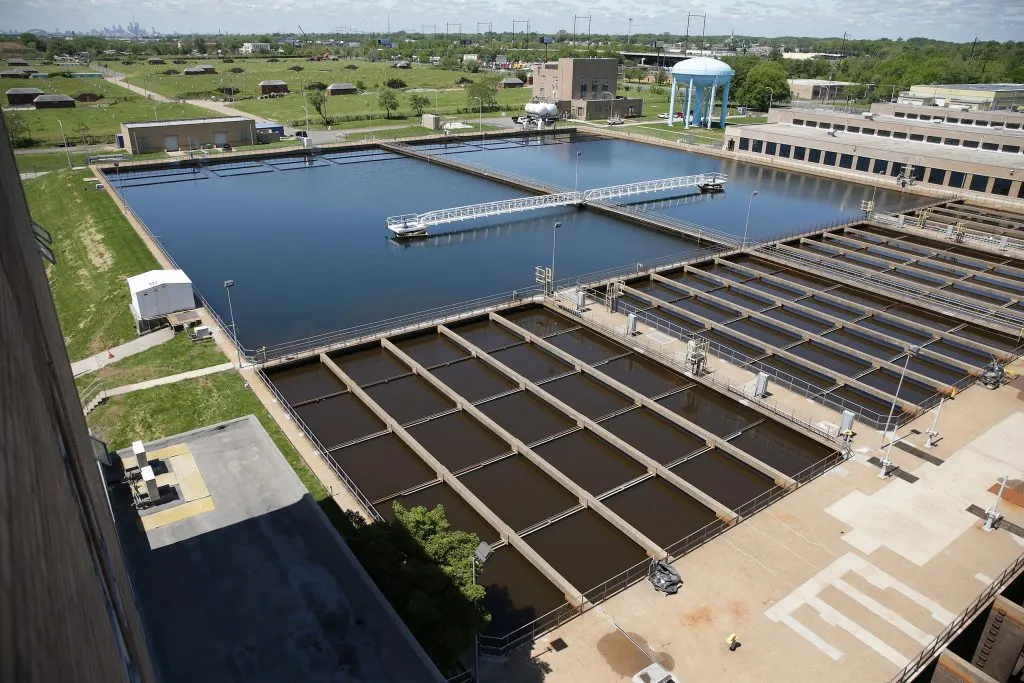
Ultrasound eliminates algae in treatment plants
Ultrasound is proven to be very effective against algae. Ultrasonic waves damage green and blue-green algae, causing them to sink and die. We can test your water to confirm the species present and that ultrasound will work on them.
Systems are installed and running quickly, and cloud data makes it easy to share results and agree the next step with your team.
Systems are reliable and need little manual intervention. Onboard telemetry uploads system and water sensor readings, such as dissolved oxygen, to the cloud so you can see both at any time.
Ultrasound helps reduce suspended solids and biofilm in basins, tanks and clarifiers, cutting chlorine, copper and manual cleaning.
Stop algae from impacting treatment
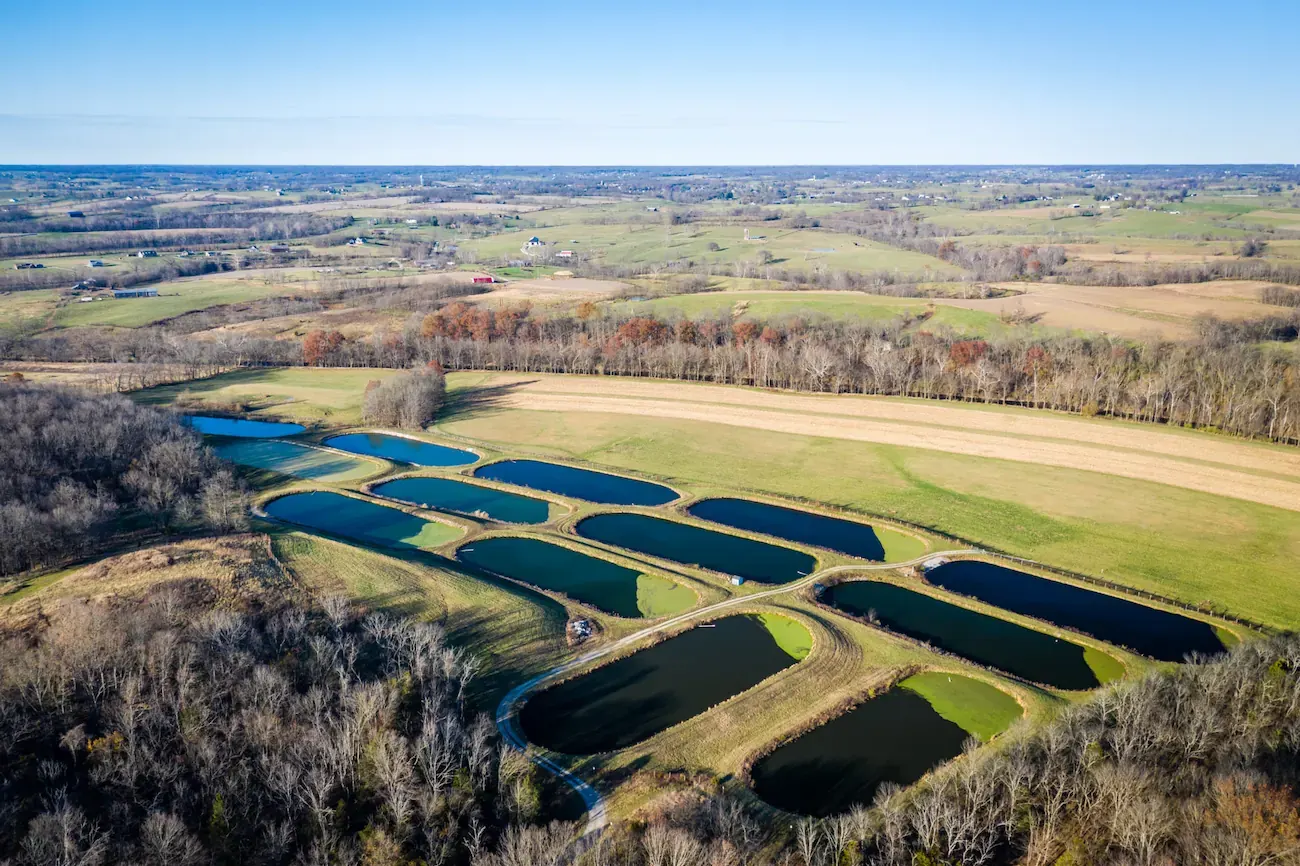
Lagoons and holding ponds can become breeding grounds for blue-green algae, especially in warm weather with high nutrient loads. Blooms raise oxygen demand and suspended solids, add to sludge as they die, and release toxins and odour. Filtration, algaecides and aeration help, but they are no longer enough.
Discharge limits
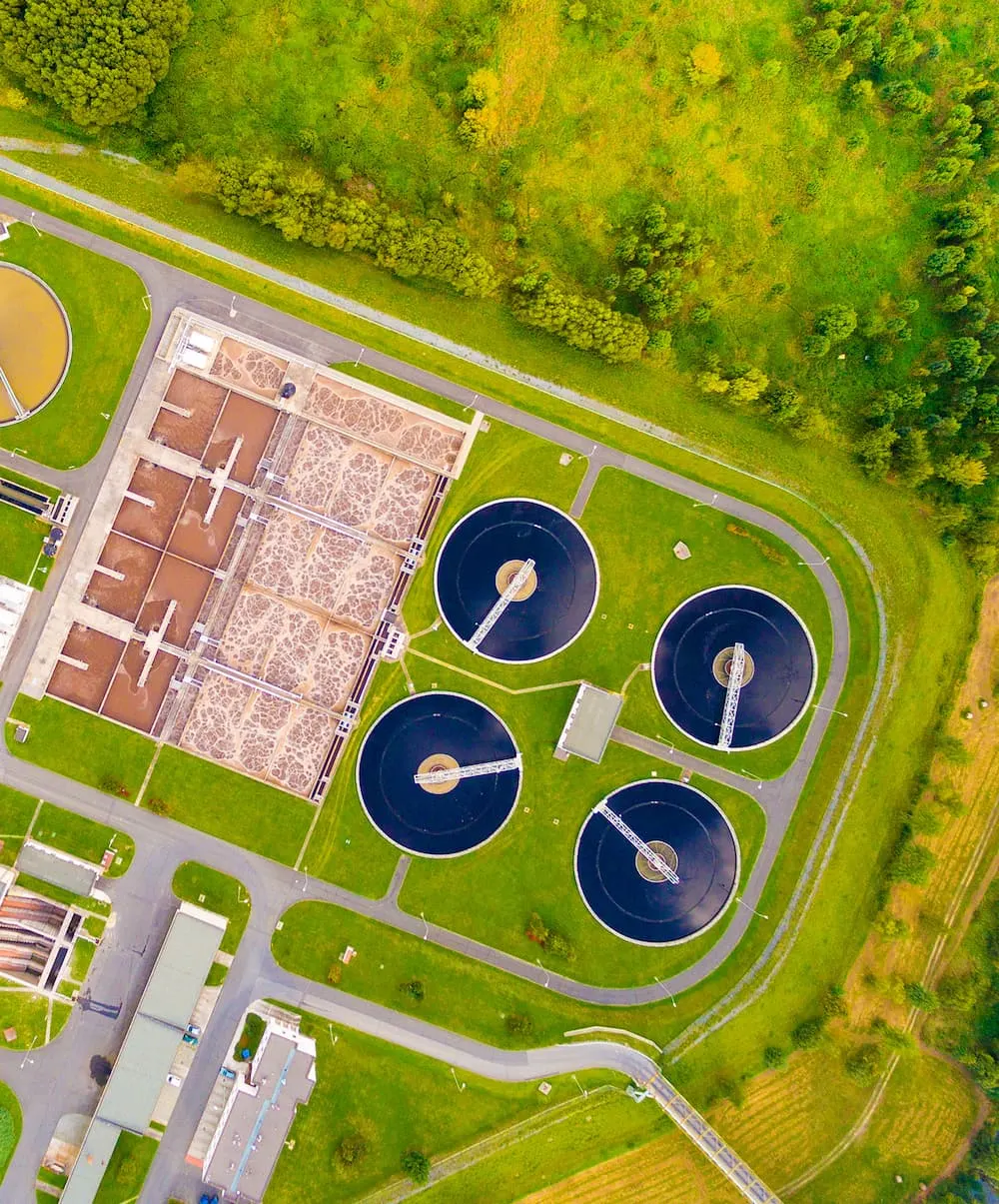
Treated water has to meet licence conditions before reuse or release, and algae solids put those limits at risk.
Cleaning and downtime
Biofilm on weirs, walls and clarifiers means repeat manual cleaning and more wear on equipment.
Continuous operation
Plants run around the clock. Treatment has to be automatic, monitored and reliable, without adding chemicals to the process.
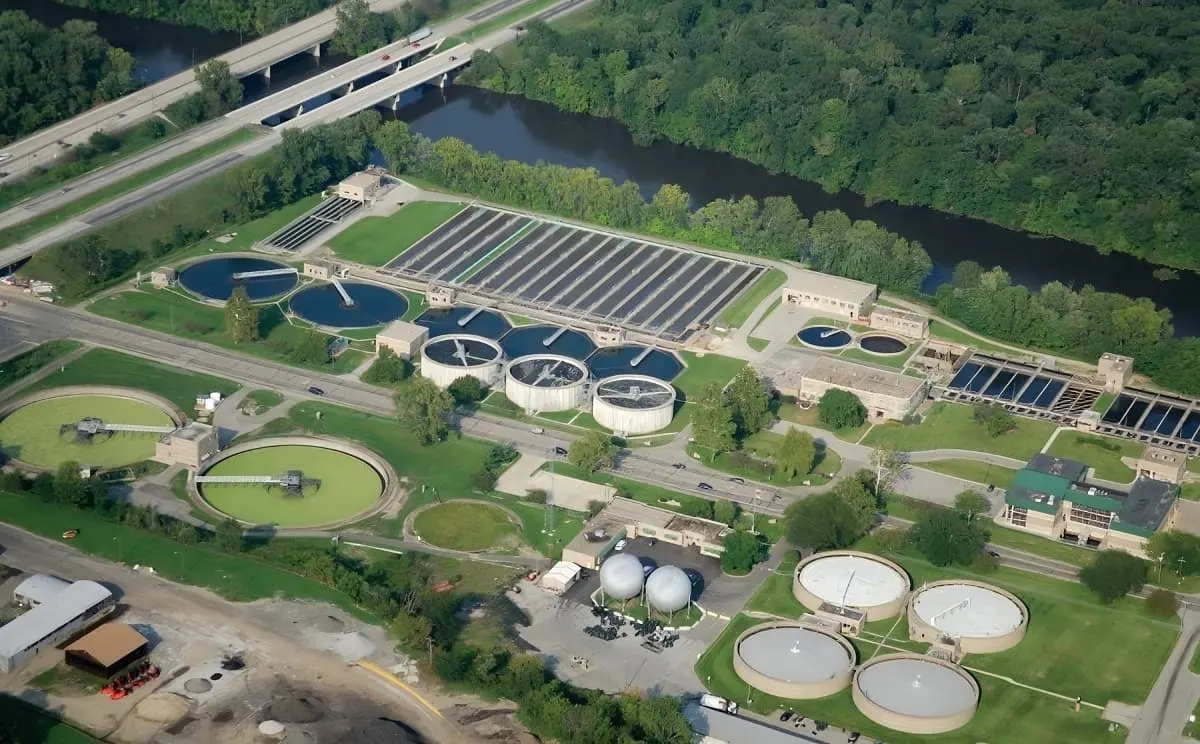
A widespread problem that needs an efficient solution
Wastewater operators collect used water and sewage, remove contaminants and return treated water for reuse, under tight regulation. Councils, water corporations and private sites such as food processors and power stations all run their own plants. A challenge this size needs continuous, low-maintenance treatment that doesn't add chemicals.
How we tackle it
Very high nutrient loads make these storages prone to persistent blue-green algae, which is the main water quality issue on these sites.
Continuous ultrasonic treatment with remote monitoring and an RTU interface for existing SCADA, plus circulation for stratified lagoons.
What it means for you
- Continuous, automated treatment instead of repeat dosing
- Operational transparency for plant operators
- Discharge quality kept within limits
What we typically recommend
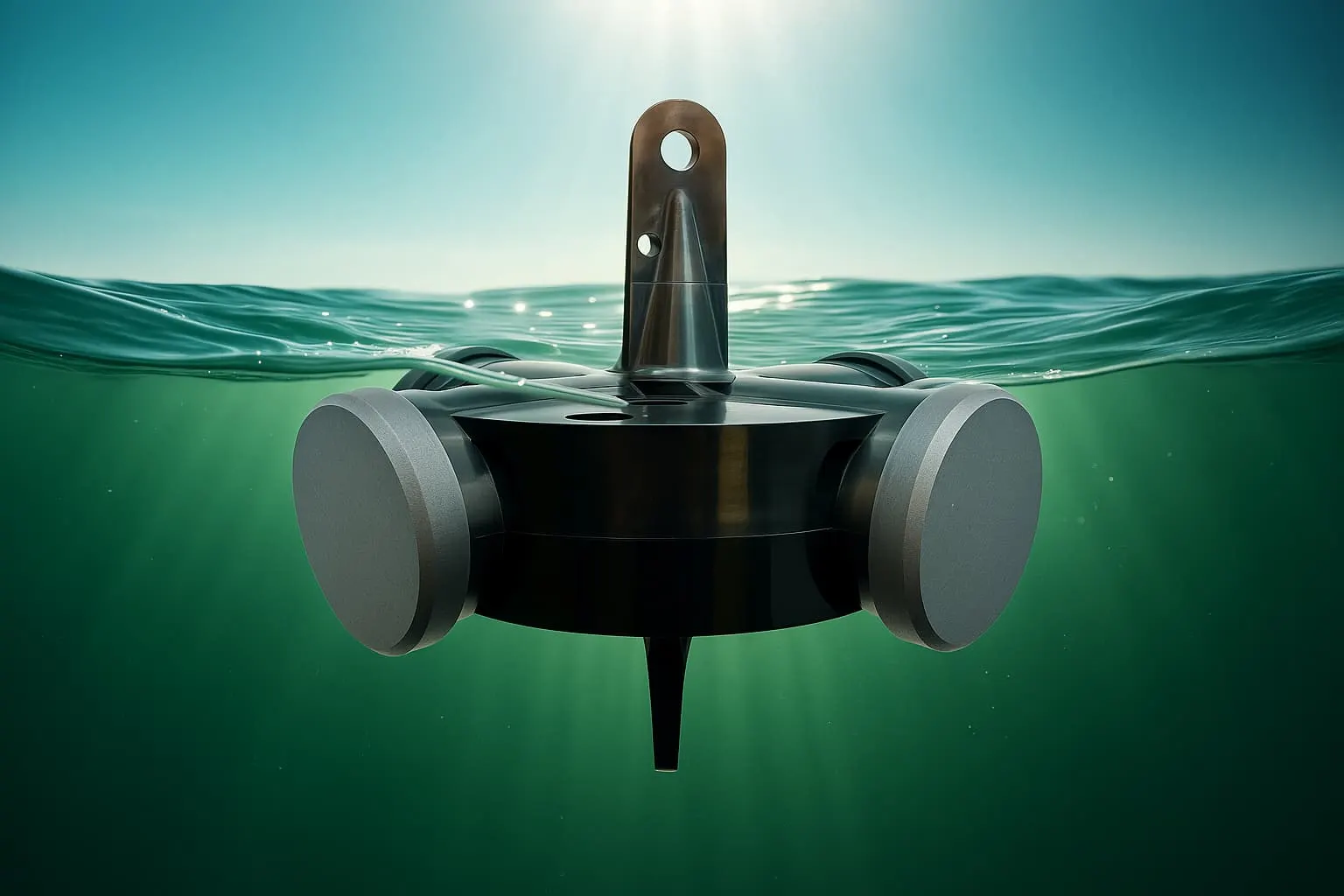
Disrupt
SonicPure Pulsar 4400
4,400 frequencies, 360° coverage, 24/7, without chemicals.
Explore →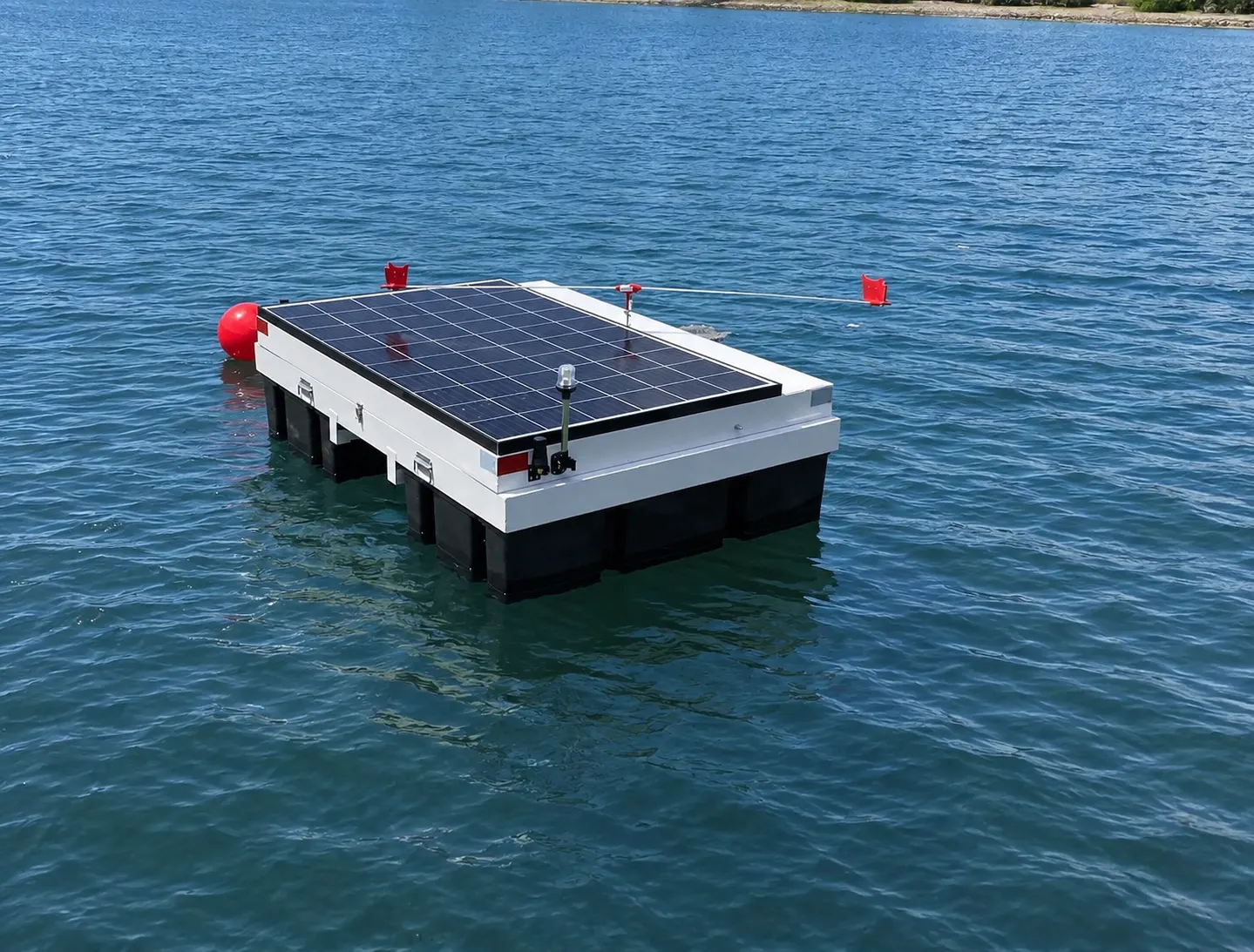
Disrupt
SonicPure Sentinel AIQ and AIQ+
Autonomous, continuous algae control on large or remote water bodies.
Explore →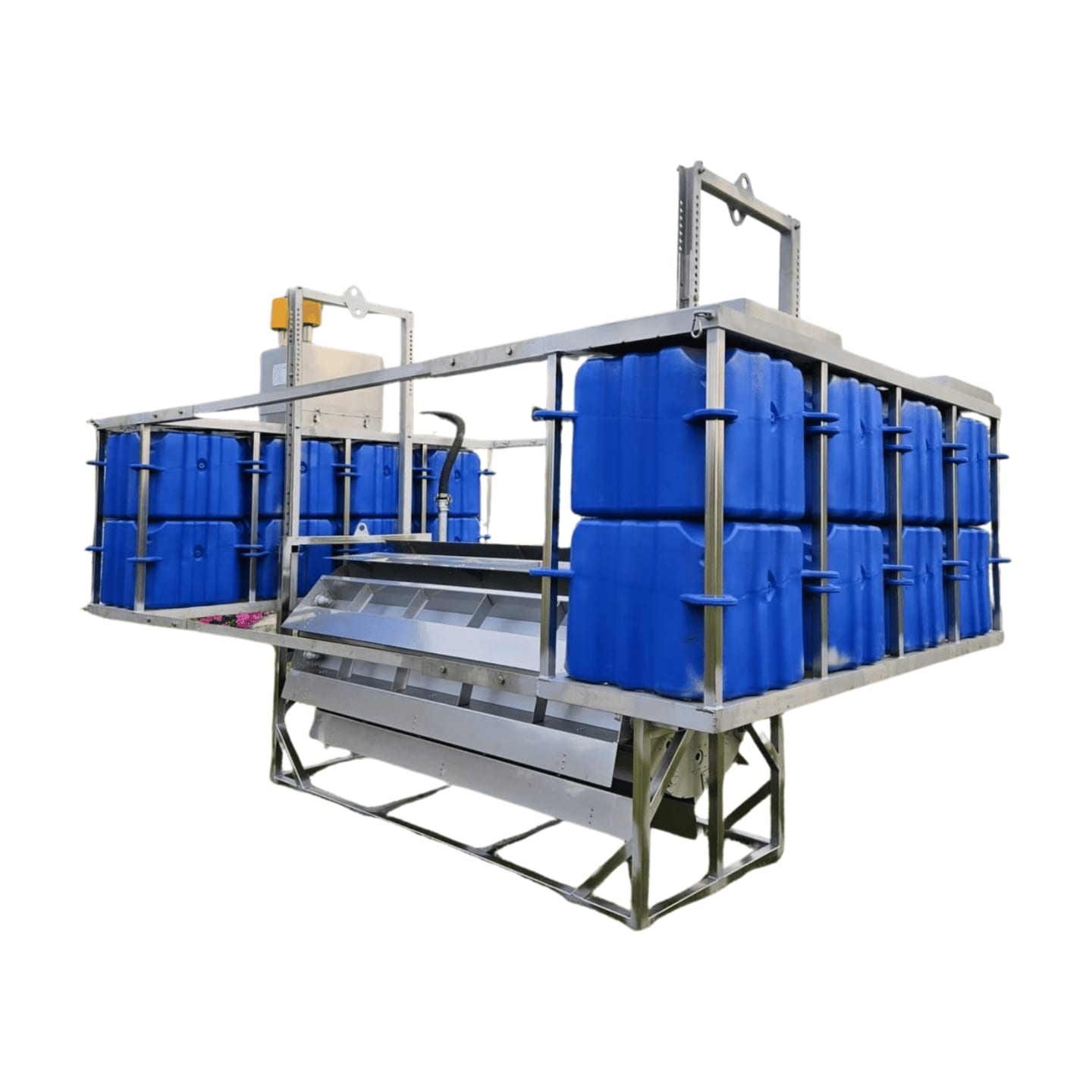
Circulate
OXYWave Buoyancy Turbines
Keeps the whole water body circulating and oxygenated, on a fraction of the power of conventional aeration.
Explore →Results from our US partner's sites



We're here to help
Algae won't solve itself. Tell us about your site and we will recommend the right approach, then install, commission and support it.