


Blue-green algae in a farm dam: what to do
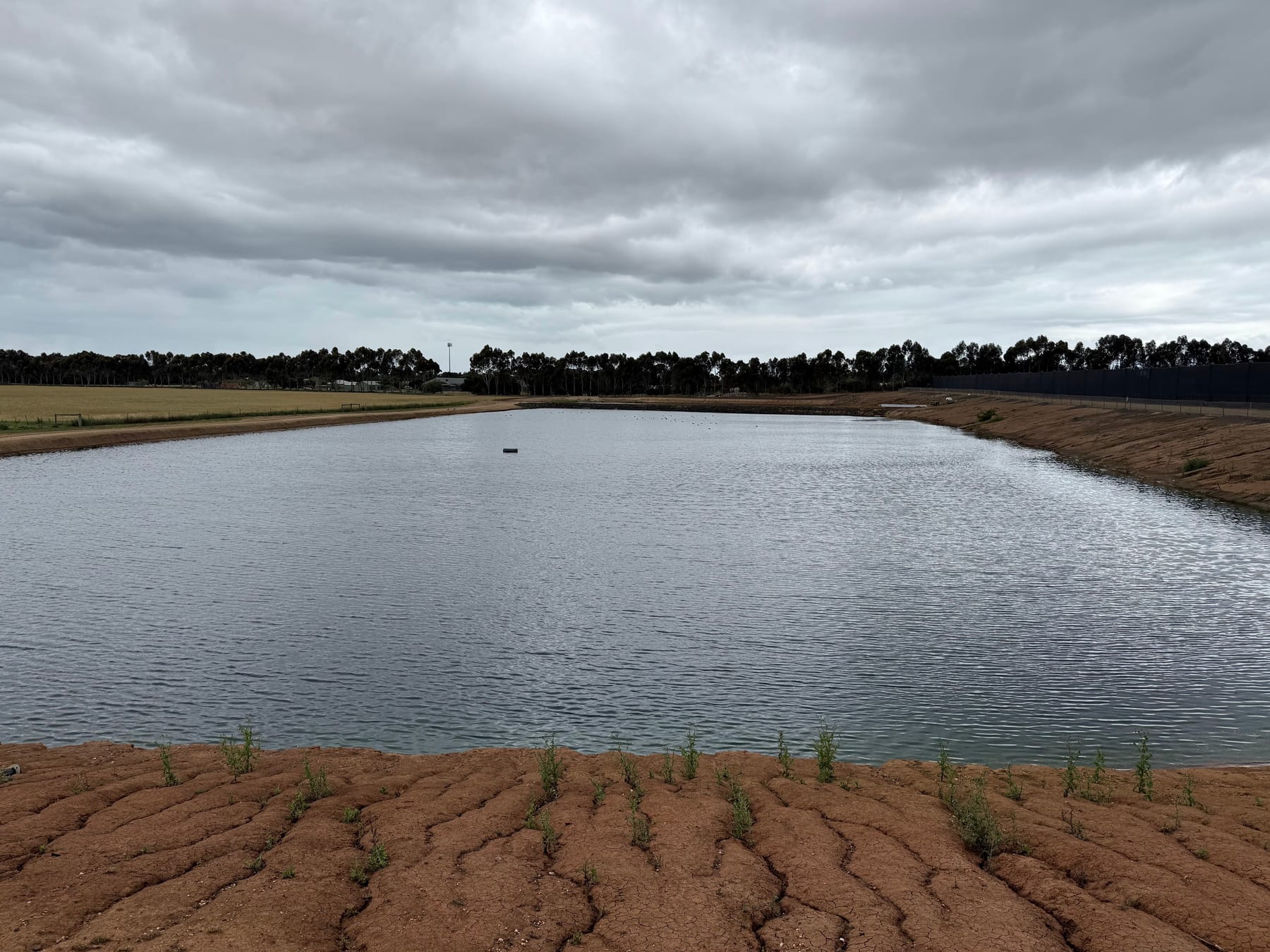
First, keep stock and people off it
Blue-green algae (cyanobacteria) can produce toxins harmful to people, pets, livestock and wildlife. If there is a scum, a green or blue-green paint-like film, or a musty smell, treat the water as unsafe for drinking and contact until it has been tested. A laboratory algal count from a NATA-accredited lab tells you what species is there and whether it is toxic.
Why it keeps coming back
Algae is the visible sign of a wider imbalance. Runoff, fertiliser, effluent and manure load the dam with nitrogen and phosphorus, which build up in the sediment over the years. Still or stratified water and the algae that die and decay use up oxygen, which releases more nutrients from the bottom. Every chemical kill adds to the sediment load.
What works without chemicals
- Disrupt the bloom: a SonicPure Pulsar ultrasonic unit sends sound through the water column 24/7, so algae lose buoyancy, sink below the light and die back. On a dam without power, a land-based solar system runs it.
- Strip the nutrients: PBE blocks feed the dam's own beneficial bacteria, which consume the excess nutrients and digest sludge.
- Keep it moving: where a dam stratifies, an OXYWave turbine circulates and oxygenates the whole water body on very little power.
- Measure: test before and after, so you know it worked.
What it looks like on a real farm
Carr Farming's 200 ML recycled water dam ran two Pulsar 4400+ units with overlapping coverage on 240 V mains. The water came up clean enough that coagulant use fell to a quarter, and the farm ordered a second unit for its next dam.
What we need to size it
- The dam's surface area and depth (a satellite image is fine)
- Whether there is power at the water, or solar is needed
- What the water is used for: stock, irrigation, spraying, domestic
- A recent water test, or ask us for a test kit
Questions we are asked
Is ultrasound safe for fish, yabbies and stock drinking from the dam?
The Pulsar avoids cavitation, so it does not harm desirable aquatic life when correctly installed and operated. There are no chemicals, so nothing goes into the water that stock then drink.
How long until the dam clears?
It depends on the size of the bloom and the nutrient load. At Harrietville a single unit took toxic cyanobacteria from 35,900 cells/mL to 13,500 in two months and to zero within the season, confirmed by independent lab tests.
Does it need mains power?
No. The Pulsar runs on 240 V mains, 24 V DC or solar, and we supply land-based solar systems with up to 250 m of cable for dams without power.
More from Algae 101
- Algae and biofilm primerWhat algae and biofilm are, why they take over and why they are so hard to shift
- Introduction to ultrasoundHow ultrasonic algae control works, and what makes one system different from another
- Algae and biofilm challengesWhat untreated algae and biofilm cost, why chemicals backfire, and a different approach
- Multi-stage remediationDisrupt, circulate, rebalance and monitor: why we combine approaches
Guides
- Algae in a golf course irrigation lake
- Algae alert levels: green, amber and red, and what to do at each
- How to clear a dam or pond without chemicals
- The algae control guideChemicals, aeration and ultrasound compared
Compare the ultrasonic systems
Frequency density, coverage, cavitation and monitoring, side by side.
Download the comparison guide →We're here to help
Algae won't solve itself, but we can. Look through our case studies and resources to see results in action, or talk to us about your water.